
How Quality Spirits and Fresh Ingredients Change Everything at the Bar
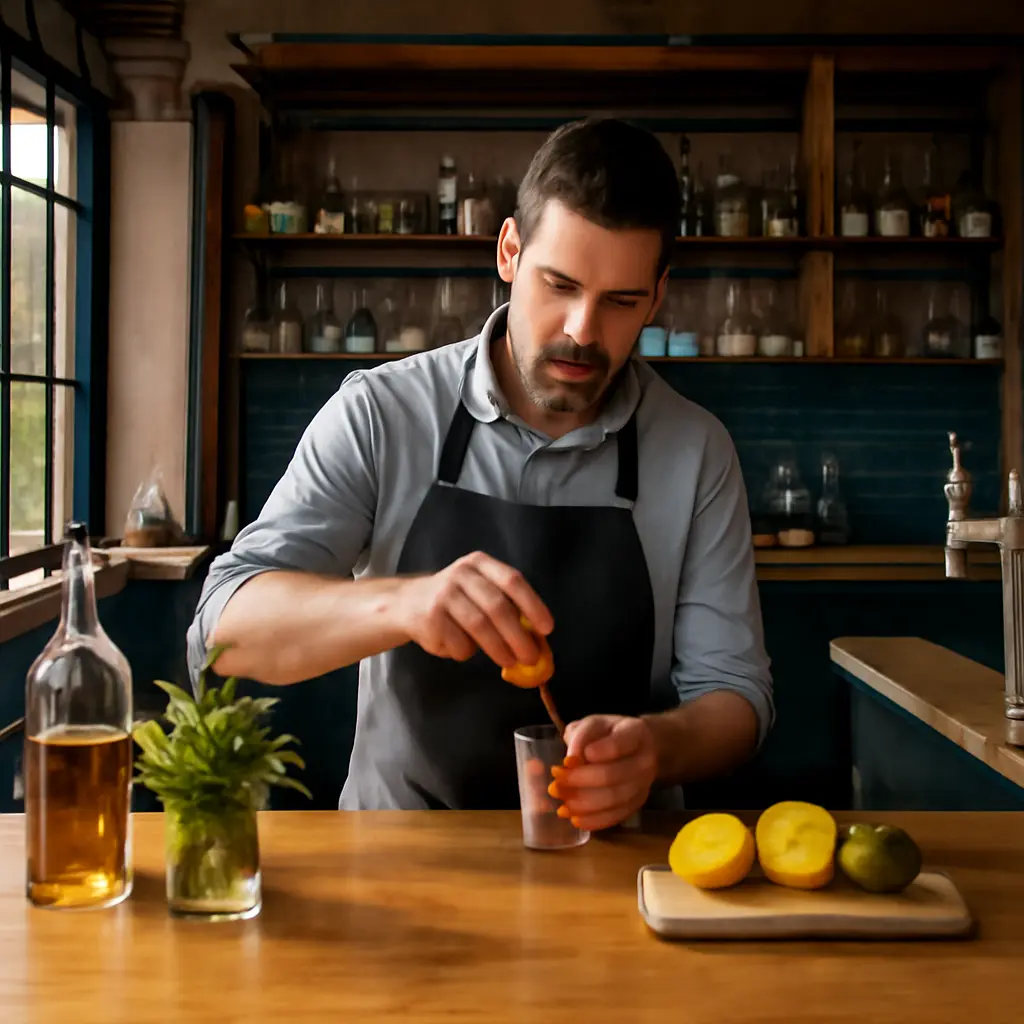
Quality spirits are carefully made alcoholic beverages whose ingredients, production methods, and maturation shape their flavor; fresh ingredients are produce, herbs, citrus, and other perishable additions used near their peak. Together, they can make a cocktail more aromatic, balanced, and consistent—but quality does not require the most expensive bottle, and freshness matters only when ingredients are stored and handled well. The difference comes down to flavor and technique: choosing a spirit suited to the drink, using fresh ingredients thoughtfully, and measuring and preparing each component with care.
How quality spirits shape cocktail flavor
A spirit’s quality is not captured by price or prestige alone. For a cocktail, it is more useful to consider whether the spirit tastes clean and balanced, whether its characteristic flavors suit the recipe, and whether its strength and texture work with the other ingredients. The U.S. Alcohol and Tobacco Tax and Trade Bureau (TTB) sets standards for categories such as whiskey and gin, but a category label does not guarantee that every bottle will taste the same or perform equally well in every drink.
Flavor, proof, and the role of the base spirit
The base spirit provides much of a cocktail’s structure: a London dry gin can emphasize juniper and citrus peel, while an aged rum may bring notes associated with oak, spice, or caramel. Alcohol strength affects both perceived intensity and dilution. Because cocktails are diluted by ice or other ingredients, a bartender should choose a spirit that remains expressive after mixing rather than assuming the highest-priced bottle is automatically best.
A useful test is to taste the spirit in the drink it is intended for. A bottle that works beautifully in a spirit-forward Manhattan may be less suitable for a light, citrus-led highball. For stirred drinks, where the base spirit is prominent, its flavor is especially noticeable; in a fruit-forward drink, the spirit still matters, but the recipe may call for a softer profile that does not overwhelm the other components.
Matching spirit styles to cocktail families
Cocktail families are groups of drinks built around related structures and proportions. A sour typically balances a spirit with citrus and a sweetener; a highball lengthens a spirit with a carbonated mixer; and a spirit-forward stirred drink gives the base spirit a more prominent role. These categories help bartenders select a suitable bottle and anticipate how its flavor will interact with the recipe.
For example, a bright gin can give a gin sour a crisp botanical character, while a bourbon with a fuller flavor can anchor an Old Fashioned. These are starting points, not rules: the best choice depends on the drink’s balance and the intended result. A bar can support consistency by recording its preferred brands and recipes, then tasting alternatives before changing its standard pour.
How fresh ingredients change balance and aroma
Fresh ingredients contribute more than decoration. Citrus supplies acidity and aroma; herbs release fragrant oils; and ripe fruit can add sweetness, texture, and distinctive flavor. Their condition, preparation, and storage influence how reliably a drink tastes. The U.S. Food and Drug Administration advises washing fresh produce under running water before preparation and avoiding soap or detergent, practices that support safe handling as well as clean flavor.
Fresh citrus, juice, and acidity
Citrus juice is a key source of acidity in drinks such as daiquiris, margaritas, and whiskey sours. Freshly squeezed juice can offer vivid aroma and flavor, but its character changes with the fruit, storage time, and handling. A bartender should taste juice before service, keep it properly chilled, and prepare quantities that suit expected demand rather than treating all citrus as interchangeable.
Balance matters as much as freshness. Too much acidity can make a drink sharp; too little can leave it cloying or flat. A measured recipe gives the bartender a dependable starting point, while tasting allows adjustments for differences in fruit. Lemon and lime also have distinct flavor profiles, so substituting one for the other can change the identity of a cocktail, not merely its sourness.
Herbs, fruit, and aromatic garnishes
Herbs and garnishes influence a drink through aroma as well as taste. A mint sprig can contribute fragrance before the first sip, while a citrus twist releases oils from the peel. Fresh berries or seasonal fruit may add color and flavor, but their ripeness and consistency can vary. Gentle handling helps release aroma without bruising herbs excessively or extracting harsh flavors from peels and seeds.
A garnish should support the drink rather than function as unrelated decoration. A lime wheel suits many rum and tequila drinks because its scent and flavor connect with the recipe; a large, elaborate garnish may be less useful if it obstructs the glass or contributes nothing to the aroma. Thoughtful preparation makes the presentation purposeful and can reduce avoidable waste.
How ingredient quality and technique work together
A well-chosen spirit and fresh produce cannot compensate for inconsistent technique. Cocktail quality also depends on accurate measurement, dilution, temperature, ice, and preparation method. Shaking usually chills and aerates a drink containing citrus or other cloudy ingredients; stirring chills and dilutes spirit-forward drinks while preserving a clearer appearance. These methods are conventional practice, and the right choice follows the recipe’s structure.
Measurement, dilution, and repeatability
Measurement keeps a cocktail’s sweet, sour, and strong components in balance from one serving to the next. A jigger or other calibrated measure is more reliable than free-pouring, particularly when multiple bartenders share a menu. Dilution is also an ingredient: ice melts as a drink is shaken or stirred, softening alcohol and integrating flavors. The result depends on ice size, temperature, time, and technique, so a repeatable method matters.
A bar can assess consistency by preparing the same recipe more than once, tasting for sweetness, acidity, strength, and aroma, and documenting any adjustments. This practical quality check is more informative than relying on a bottle’s price or a vague claim that an ingredient is “premium.”
Storage, safety, and reducing waste
Fresh ingredients are perishable, so quality depends on receiving, washing, cutting, labeling, chilling, and rotating stock appropriately. The FDA’s produce guidance emphasizes washing under running water and keeping food-handling practices clean; businesses should also follow applicable local food-safety requirements. Preparing only what a shift is likely to use can help preserve flavor and limit discarded juice, fruit, and herbs.
Spirits require different care. Bottles should be closed when not in use and stored in conditions that protect product integrity and support responsible service. A venue can improve both guest experience and operations by maintaining clear recipes, training staff on ingredient handling, and reviewing which fresh items are actually used across the menu.
A practical approach to building a better bar program
For home bartenders and hospitality teams alike, improving a cocktail program does not mean buying the most expensive spirits or stocking every seasonal ingredient. It means selecting bottles that suit the drinks, sourcing fresh ingredients that can be used efficiently, and applying consistent methods. Start with a small set of dependable recipes, taste them carefully, and make changes one component at a time.
- Choose a spirit based on the cocktail’s flavor and structure, then taste it in the finished drink.
- Use fresh citrus and herbs where their flavor is central, while checking condition and storage.
- Measure ingredients and standardize shaking, stirring, and serving procedures.
- Train staff to handle produce safely, rotate stock, and prepare realistic quantities.
- Invite feedback and revisit recipes when ingredients or guest preferences change.
A simple comparison can make the process visible: prepare the same sour with a measured recipe, changing only the citrus source, then compare aroma, acidity, and finish. This small tasting exercise illustrates how an ingredient can affect the result without making unsupported claims that one method is universally superior.
Conclusion: quality spirits and fresh ingredients make the difference
Quality spirits give cocktails a suitable and expressive foundation; fresh ingredients contribute aroma, acidity, sweetness, and seasonal character; and sound technique brings those elements into balance. The most effective bar program treats bottle selection, produce handling, measurement, dilution, and consistency as connected parts of one process. Begin by tasting and documenting a few core drinks, choose ingredients for their function rather than their price, and keep building skills through responsible service and careful preparation.
Sources: U.S. Alcohol and Tobacco Tax and Trade Bureau, Distilled Spirits Standards of Identity, https://www.ttb.gov/regulated-commodities/beverage-alcohol/distilled-spirits; U.S. Food and Drug Administration, Selecting and Serving Produce Safely, https://www.fda.gov/consumers/consumer-updates/selecting-and-serving-produce-safely
Related Post

From Classic Highballs To Neat Pours For Your Evening Unwind
Cocktail Format: From Classic Highballs to Neat Pours for Your Evening Unwind A cocktail format [...]

Bartenders reveal how shaking and stirring change everything
Shaking and stirring are two ways of chilling and mixing a cocktail, but they do [...]

How Bartenders Nail The Perfect Harmony Of Sweet Bitter And Sour
Cocktail balance is the bartender’s deliberate coordination of sweetness, bitterness, acidity, alcohol, aroma, and dilution [...]