
How an Izakaya Inspired Bar Differs from a Traditional Izakaya
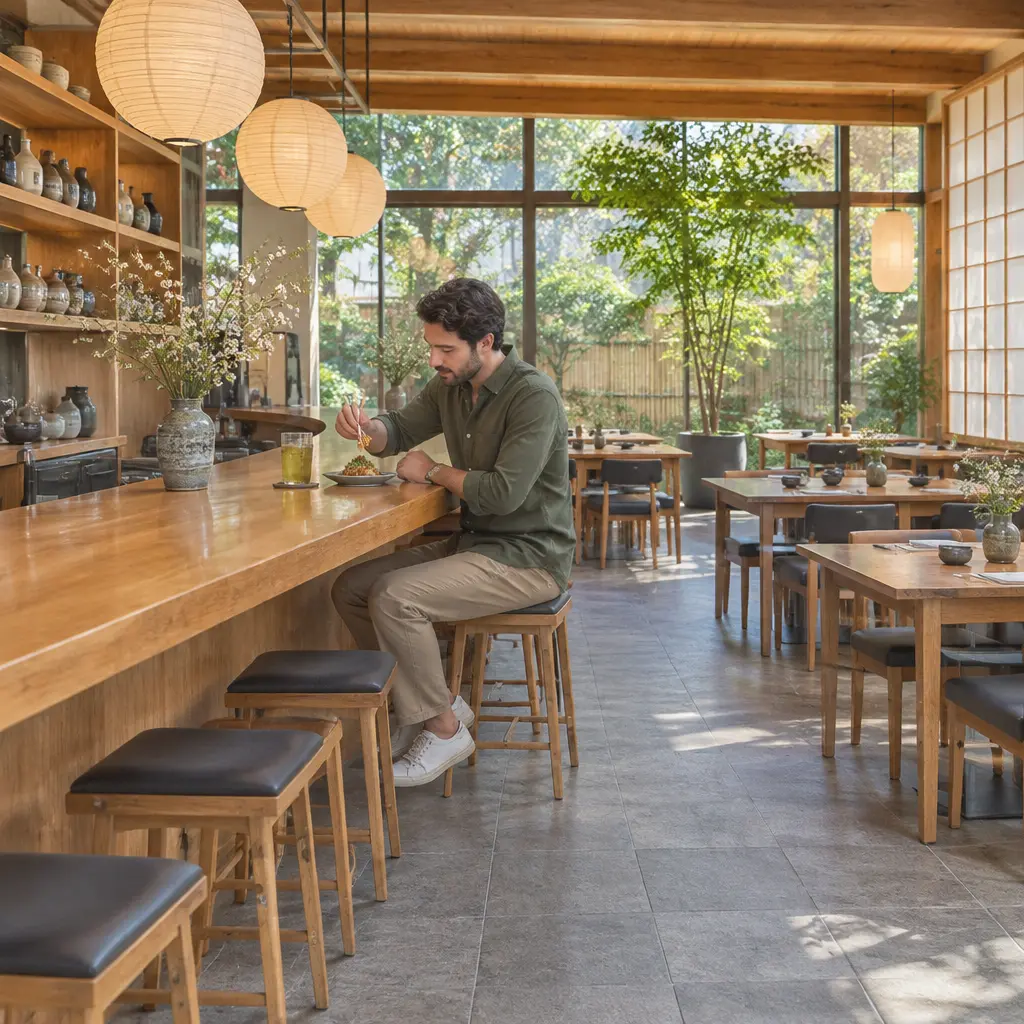
An izakaya-inspired bar borrows the convivial spirit of Japan’s neighborhood drinking spots but adapts it for a different menu, audience, or service style. A traditional izakaya is a Japanese pub where drinks are paired with a range of small dishes; an inspired bar may retain that sharing format and relaxed atmosphere while offering a narrower menu, more cocktail-focused drinks, or a distinctly local interpretation. The difference matters as izakaya-style dining travels: Japan’s National Tax Agency reported that domestic sake shipments fell over the long term from their 1973 peak, while overseas interest in Japanese food and drink has continued to shape restaurant concepts. Comparing food, drinks, hospitality, and cultural context helps diners understand what a venue is—and is not—promising.
An izakaya’s defining attributes: food, drinks, and hospitality
The Japan National Tourism Organization describes an izakaya as a casual Japanese-style pub serving alcoholic drinks alongside dishes, often ordered throughout the visit. The name is commonly explained through the idea of staying at a sake shop to drink, though today’s izakaya are distinct food-and-drink establishments. The defining attribute is not one mandatory dish or décor style; it is the combination of drinking, shared food, and an informal, social pace.
A broad menu of small plates
Traditional izakaya menus usually combine snacks and substantial dishes rather than following a fixed sequence of starter, main course, and dessert. Guests might order edamame, yakitori, sashimi, karaage, grilled fish, or a rice dish over several rounds. Menu breadth varies: a specialist yakitori izakaya may focus on skewers, while another may emphasize seafood or regional cooking. Sharing is common, but it is not a requirement that every dish be communal.
This flexible meal structure makes the menu an important clue when comparing venues. A bar with a few Japanese-inspired snacks may share an izakaya’s social feel without offering the range or meal-oriented service associated with many traditional establishments.
Drinks ordered alongside the meal
Izakaya drinks commonly include beer, sake, shochu, and highballs, with choices shaped by the venue and region. A highball generally pairs whisky with soda, while shochu is a distilled spirit that can be served in several ways. Drinks are typically part of the meal rather than the sole attraction, and diners may alternate between beverages and dishes.
The National Tax Agency of Japan’s sake statistics show how the domestic market has changed: sake shipments peaked in 1973 and subsequently declined substantially. That trend helps explain why a contemporary izakaya should not be defined simply as a sake bar. The broader format can accommodate beer, shochu, cocktails, and nonalcoholic options.
Informal, group-oriented hospitality
Many izakaya encourage guests to settle in, order repeatedly, and enjoy conversation. Some charge an initial seating or appetizer fee, often called otoshi or tsukidashi, though practices differ by establishment and location. The custom can surprise visitors expecting every item to be individually selected, so clear menu explanations are useful. A casual atmosphere does not mean service is identical everywhere: neighborhood pubs, chain izakaya, and upscale specialists each have their own conventions.
An izakaya-inspired bar adapts the traditional attributes
“Izakaya-inspired bar” is a descriptive label, not a standardized Japanese hospitality category. It generally signals that a venue draws on izakaya features—such as small plates, Japanese drinks, communal energy, or a relaxed pub-like setting—without necessarily reproducing the full format. The distinction is best assessed through the experience a venue actually offers, rather than its name or décor alone.
A bar-led rather than meal-led experience
An izakaya-inspired bar often makes cocktails, spirits, or a particular drinks list its main attraction. Food may be designed for grazing and pairing, with a short selection of skewers, fried snacks, or Japanese-influenced dishes. In a traditional izakaya, by contrast, the meal can be just as central as the alcohol, and guests may build a substantial dinner from multiple orders.
This is a difference of emphasis, not a strict rule. Some traditional izakaya have excellent cocktail programs, and some inspired bars serve a full dinner. Checking the menu, kitchen hours, and service style gives a more reliable picture than relying on the label.
A selective or localized menu
Inspired bars may interpret izakaya food through local ingredients, dietary preferences, or a chef’s own style. A venue might pair Japanese whisky with regionally sourced seafood, or offer a small set of dishes rather than a wide-ranging pub menu. Such adaptation can make the concept accessible and distinctive, but it should not be mistaken for a complete representation of Japanese izakaya cuisine.
The same principle applies to hyponyms—more specific forms within the wider izakaya family. Yakitori-focused pubs, seafood izakaya, and regional specialists narrow the menu while remaining recognizably izakaya-like. An inspired bar can borrow from one of these subtypes, but a few skewers alone do not establish that it operates as a traditional yakitori izakaya.
Atmosphere and design as signals, not proof
Lanterns, noren curtains, wood counters, handwritten menus, and close-set tables can evoke an izakaya. Yet these visual elements do not determine whether the venue follows izakaya dining customs. A polished cocktail lounge with Japanese décor may be inspired by the aesthetic while operating more like a modern bar; a modest neighborhood pub may feel more like an everyday izakaya without using traditional design cues.
For visitors, the practical test is whether the venue’s food, ordering rhythm, drink selection, and hospitality work together to create a shared pub meal. Atmosphere contributes, but it should be interpreted alongside service and menu.
How to compare the two experiences
The following comparison is a useful guide rather than a set of universal rules. Individual businesses vary, and many sit between the two models.
- Purpose: A traditional izakaya commonly serves as a casual place for drinks and a meal; an inspired bar may prioritize drinks and offer food as accompaniment.
- Menu: Traditional venues often provide a broad selection of small dishes and meal items; inspired bars may have a concise or localized menu.
- Drinks: Both can serve Japanese beer, sake, shochu, or highballs. Inspired bars may place greater emphasis on cocktails or a curated spirits list.
- Ordering: Repeated ordering over the course of a visit is common in izakaya settings; a bar may follow a more conventional drinks-and-snacks pattern.
- Cultural framing: An izakaya is a Japanese pub format rooted in local dining customs. An inspired bar is an adaptation that may combine those cues with another country’s ingredients, service norms, or design.
Examples and context for today’s izakaya-inspired venues
A traditional neighborhood izakaya in Japan might serve beer or a highball with several rounds of dishes, then offer rice or noodles as the meal progresses. A contemporary bar elsewhere might instead feature a short cocktail list, a handful of Japanese-style snacks, and locally adapted plates. Both can be enjoyable, but they make different promises: one presents a broader pub-meal format, while the other uses selected izakaya influences within a bar concept.
The wider international spread of Japanese dining makes this distinction useful for diners and operators alike. The Japan National Tourism Organization presents izakaya as a recognizable part of everyday food culture for visitors, while Japan’s Ministry of Agriculture, Forestry and Fisheries has promoted the overseas reach of Japanese food culture. As the format travels, adaptation is expected; transparent descriptions help avoid implying that every Japanese-themed bar reproduces the customs or menu range of a Japanese neighborhood pub.
For a quick visual guide, a comparison chart could place “meal-led,” “broad small-plate menu,” and “repeat ordering” toward the traditional-izakaya end, and “cocktail-led,” “selective menu,” and “localized interpretation” toward the inspired-bar end. The boundary is a spectrum, not a binary classification.
Conclusion: understand the format behind the name
A traditional izakaya brings together drinks, varied food, and informal social dining as a Japanese pub format. An izakaya-inspired bar adapts selected attributes—perhaps the small plates, Japanese beverages, convivial atmosphere, or visual language—often with a stronger focus on cocktails or a localized menu. The most useful distinctions are therefore the meal’s role, the breadth of the food, the ordering rhythm, and the venue’s cultural framing.
When choosing a venue, read the menu and description, ask how dishes are served, and check whether the kitchen operates as a full dinner service. For further context, explore guidance from the Japan National Tourism Organization and Japan’s food and beverage agencies. Clearer understanding allows diners to appreciate both traditional izakaya and creative adaptations without confusing one for the other.
Sources: Japan National Tourism Organization, “Izakaya,” https://www.japan.travel/en/guide/izakaya/; National Tax Agency of Japan, “Sake,” https://www.nta.go.jp/english/taxes/liquor_administration/; Ministry of Agriculture, Forestry and Fisheries of Japan, “Promotion of Japanese Food Culture,” https://www.maff.go.jp/e/; Japan National Tourism Organization, “Food and Drink,” https://www.japan.travel/en/
Related Post

Spicy Yakitori Twists That Pair Surprisingly Well With Cold Beer
Spicy yakitori twists are grilled chicken skewers that add heat, citrus, fermented chile, or aromatic [...]
Why Izakaya Bars Are Perfect for Groups, Dates, and After-Work Hangouts
An izakaya is a Japanese-style pub where people gather over drinks and a variety of [...]
Miso Ramen Isn’t One Thing—Here’s the Full Regional Breakdown
Miso ramen is a family of Japanese noodle soups seasoned with miso—not a single standardized [...]