
The Best Izakaya Dishes for First-Timers
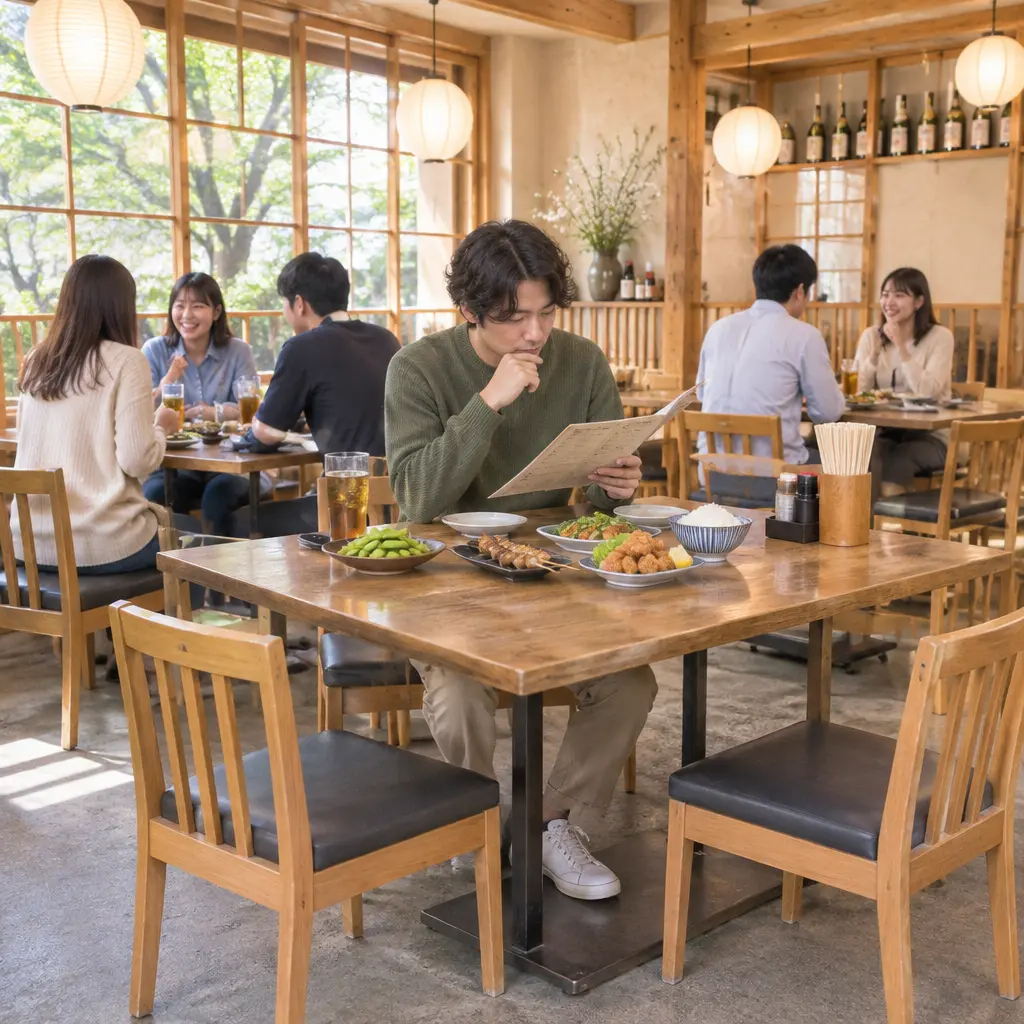
An izakaya is a Japanese-style casual drinking establishment where guests share drinks and small dishes, often ordering several rounds rather than one large meal. For first-timers, a good introduction is to start with familiar grilled, fried, and fresh choices—such as yakitori, karaage, edamame, and sashimi—then add a savory staple like grilled fish or tamagoyaki. These dishes show how izakaya menus balance salt, texture, and variety, while Japan’s National Tax Agency reports that domestic sake consumption has declined over the long term, even as sake remains an important part of the country’s drinking culture. Knowing a few ordering conventions makes it easier to enjoy the food whether or not you drink alcohol.
Izakaya Dishes Introduce Japan’s Shared-Plate Dining Style
“Izakaya” combines the idea of staying to drink with a shop or place; in practice, an izakaya serves alcoholic drinks alongside a broad selection of small dishes. Japan National Tourism Organization describes izakaya as informal places for drinks and a variety of foods, often enjoyed with friends or colleagues. Unlike a fixed-course restaurant, many izakaya let diners order dishes as they go, making the meal a sequence of tastes rather than a single entrée.
That format explains why first-timers benefit from ordering across categories. A table might include a cold vegetable dish, a hot fried bite, skewered meat, and a filling rice or noodle option. Portions and serving sizes vary by restaurant, so ask staff whether a dish is intended for sharing. The dishes below are common menu choices, not rules: regional menus, seasonal ingredients, and restaurant specialties all differ.
Begin With Edamame and Other Easy Small Plates
Edamame—young soybeans boiled in their pods and lightly salted—is one of the simplest ways to begin. The beans are eaten by squeezing them from the pod; the pod itself is not eaten. Their mild flavor and warm or chilled serving temperature make them a useful contrast to richer dishes.
Other approachable starters include hiyayakko, chilled tofu commonly topped with ingredients such as ginger, scallion, or bonito flakes, and cucumber dressed with miso or sesame. These small plates offer freshness and a break from fried or grilled foods. If you have an allergy or dietary restriction, ask about sauces and toppings, since soy, fish, sesame, and wheat may appear in preparations.
Try Yakitori for Grilled, Skewered Flavor
Yakitori is chicken grilled on skewers, usually seasoned with salt (shio) or a sweet-savory soy-based tare sauce. Menus may list different cuts, including thigh, breast, skin, or meatballs. If you want a straightforward first order, choose thigh or meatballs and specify shio or tare if the menu allows.
The broader category of kushiyaki refers to skewered grilled foods and can include items beyond chicken, such as vegetables or pork. Confirm what a skewer contains if you avoid particular meats. Grilled dishes bring char and savory flavor to a table, pairing naturally with lighter starters and rice.
Izakaya Dishes Balance Fried Favorites With Fresh Options
Once the first plates arrive, a useful approach is to balance crisp, rich foods with something fresh or lightly seasoned. That does not require knowing every Japanese cooking term: choose one familiar fried dish, then complement it with sashimi, salad, tofu, or vegetables. Restaurant menus differ, and raw fish is not available—or suitable—for everyone.
Order Karaage for a Familiar Fried Dish
Karaage is a Japanese style of bite-size fried food, commonly chicken marinated with seasonings such as soy, ginger, and garlic before being coated and fried. It is usually crisp outside and juicy inside, making it an accessible choice for guests new to izakaya food. A lemon wedge may be served alongside; use it to taste rather than assuming every table seasons the dish the same way.
Tempura is another fried option, typically consisting of seafood or vegetables coated in a light batter and fried. The two dishes are different: karaage is generally marinated and coated, while tempura emphasizes a delicate batter. Ordering one rather than several fried plates can leave room to sample other flavors.
Choose Sashimi When You Want a Fresh, Simple Taste
Sashimi is thinly sliced raw fish or seafood served without rice, often with soy sauce and wasabi. It offers a direct taste of the ingredient and is distinct from sushi, which combines seafood or other toppings with vinegared rice. Common choices vary by season and restaurant; ask the staff what is freshest if you are unsure.
Because sashimi is raw, choose it only if you are comfortable eating raw seafood and have no relevant health or dietary concerns. A cooked alternative, such as grilled fish, can provide a similar seafood experience. The U.S. Food and Drug Administration advises that cooking seafood thoroughly is the safer option for people at increased risk of foodborne illness.
Add Salads, Pickles, or Tofu for Contrast
A simple salad, pickled vegetables, or chilled tofu adds brightness and a different texture to a meal built around grilled and fried foods. Tsukemono is the general term for Japanese pickles; varieties range from lightly salted vegetables to more strongly flavored fermented preparations. These sides can be especially useful when several people are sharing a table.
Check dressings and garnishes if you have allergies or avoid particular ingredients. A salad may contain seafood, egg, sesame, or a soy-based dressing, while tofu dishes may be topped with fish flakes. Asking before ordering is more reliable than judging a dish by its name alone.
Izakaya Dishes Become a Meal With Rice, Eggs, and Seasonal Specials
Small plates are satisfying to sample, but first-time diners may also want a more substantial dish. Rice, noodles, grilled fish, and egg dishes can round out the meal. These options are particularly helpful when a group includes people who prefer mild flavors or do not want to drink alcohol.
Finish With Onigiri, Rice, or Noodles
Onigiri are rice balls, often shaped by hand and filled or wrapped with ingredients such as salted plum, salmon, or seaweed. They are a practical, mild choice near the end of a meal. Some izakaya also serve plain rice, ochazuke (rice with tea or broth), or noodles, though availability depends on the menu.
If you are sharing, order a filling dish after you have seen how large the earlier plates are. This avoids overordering and lets the group adjust as the meal progresses. Ask about portion size, especially when a menu uses unfamiliar names.
Try Tamagoyaki or Grilled Fish for a Gentle Main Dish
Tamagoyaki is Japanese rolled omelet made by cooking and folding layers of seasoned egg. Depending on the restaurant and region, it may taste lightly sweet, savory, or somewhere between the two. Its soft texture and familiar ingredient make it an approachable choice for people who want a break from meat or fried foods.
Grilled fish offers another simple, savory option. The species and preparation change with season and location, so the menu or staff can identify the fish and whether it is served whole or as a fillet. If bones are a concern, ask for guidance before ordering.
Explore Seasonal Specials Without Guesswork
Seasonal dishes let an izakaya feature ingredients that are especially available at a particular time of year. Japan’s Ministry of Agriculture, Forestry and Fisheries describes “shun” as the season when an ingredient is at its best; the exact choices naturally vary by region and restaurant. A seasonal special can be a useful way to try something beyond familiar standards.
If the description is unfamiliar, ask what the ingredient is, how it is cooked, and whether it contains common allergens. This makes the special less of a gamble and more of a conversation with the staff. Nonalcoholic drinks, tea, and soft drinks are also valid choices; enjoying izakaya food does not require drinking alcohol.
A First-Timer’s Izakaya Order Can Stay Simple
For an easy first visit, begin with edamame or tofu, add yakitori and karaage, then choose a fresh or lighter dish such as sashimi, salad, or pickles. Finish with rice, onigiri, or noodles if you want a fuller meal. This sequence covers several common izakaya styles while leaving room to follow the restaurant’s specialties.
- Order two or three dishes first, particularly when you are unsure about portion sizes.
- Mix textures and cooking methods: for example, grilled yakitori with a fresh side and one fried dish.
- Ask the staff about ingredients, allergens, spice, raw seafood, and seasonal recommendations.
- Add more food after the first round instead of trying to predict the whole meal at once.
The best first izakaya meal is not a test of how many dishes you can name. It is an opportunity to share a varied table, try a few distinctive preparations, and discover which flavors you want to order again. Start with approachable staples, ask questions when needed, and let the menu guide your next visit.
Sources: Japan National Tourism Organization, “Izakaya,” https://www.japan.travel/en/guide/izakaya/; National Tax Agency of Japan, “Liquor Tax Administration,” https://www.nta.go.jp/english/taxes/liquor_administration/index.htm; U.S. Food and Drug Administration, “Selecting and Serving Fresh and Frozen Seafood Safely,” https://www.fda.gov/food/buy-store-serve-safe-food/selecting-and-serving-fresh-and-frozen-seafood-safely; Ministry of Agriculture, Forestry and Fisheries of Japan, “Shun: The Season When Ingredients Are at Their Best,” https://www.maff.go.jp/e/policies/market/k_ryouri/
Related Post

What to Expect on Your First Visit to an Izakaya Inspired Bar
An izakaya-inspired bar is a casual, Japanese-influenced place for drinks and small plates shared over [...]
Why Izakaya Bars Are Perfect for Groups, Dates, and After-Work Hangouts
An izakaya is a Japanese-style pub where people gather over drinks and a variety of [...]

Turning Quiet Kitchens Into Late Night Social Hubs
Quiet-kitchen activation is the deliberate conversion of an underused kitchen into a comfortable late-night social [...]