
What to Expect on Your First Visit to an Izakaya Inspired Bar
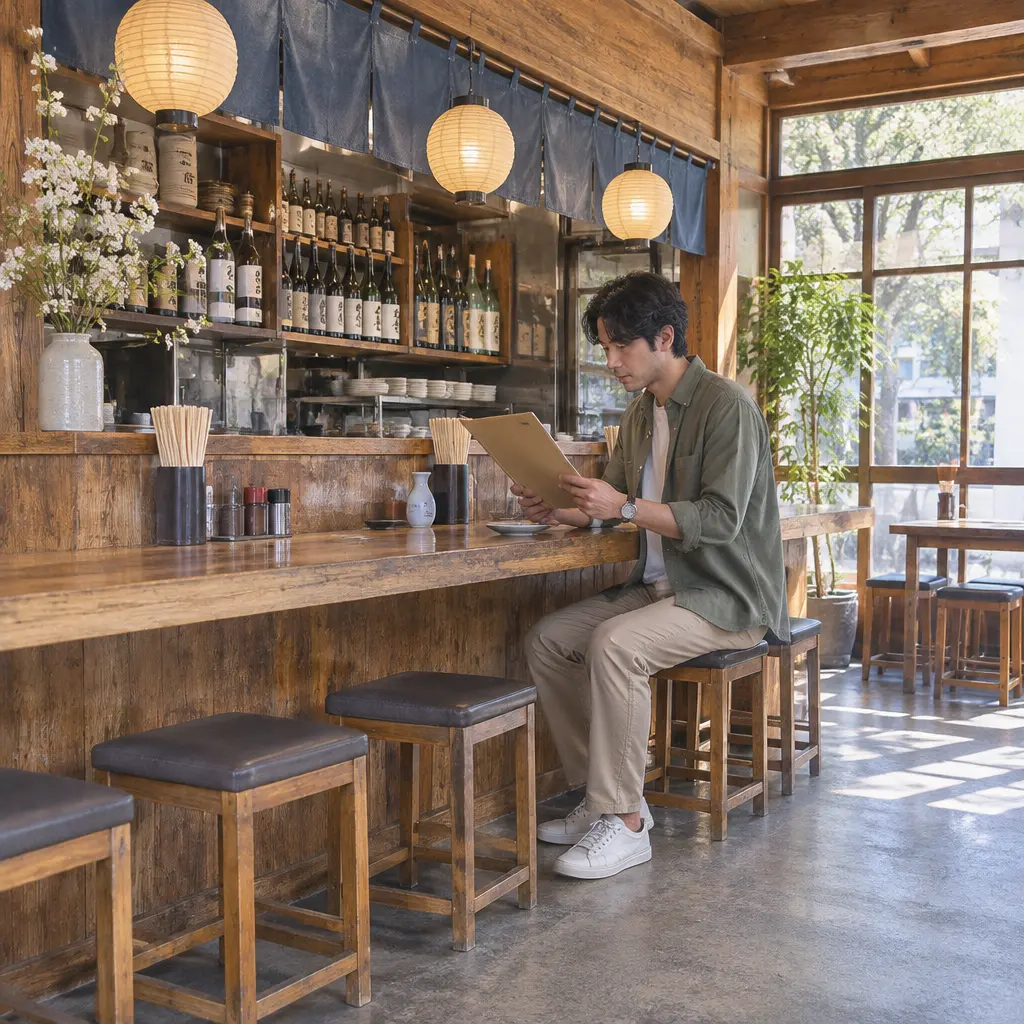
An izakaya-inspired bar is a casual, Japanese-influenced place for drinks and small plates shared over conversation. On a first visit, expect a lively, informal atmosphere, a menu built for ordering several dishes over time, and drinks such as beer, sake, shochu, or highballs. The experience is easier when you know how seating and ordering may work, what dishes to try, and how to handle the bill and etiquette. Japan’s National Tax Agency reported that domestic sake shipments have declined over the long term, even as sake remains an important part of the country’s food culture—one reason modern izakaya menus often offer varied beverages alongside familiar Japanese dishes.
Izakaya dining combines casual drinks and shared food
Izakaya is commonly translated as a Japanese-style pub or drinking place. The Japan National Tourism Organization describes izakaya as casual restaurants where people drink and enjoy a range of small dishes, often ordering more food as the evening continues. That format—not a fixed sequence of courses—is the key to understanding what to expect on a first visit to an izakaya-inspired bar.
The word “izakaya-inspired” matters: outside Japan, a bar may borrow the social style and menu ideas without following every regional custom or serving only traditional dishes. The venue may combine Japanese staples with local ingredients, cocktails, or a contemporary bar menu. Consider the menu and house guidance the best guide to that particular place.
Expect a relaxed, social setting
Izakaya-style dining is designed for lingering and conversation rather than a quick, formal meal. Some venues have counter seats, small tables, or communal seating; others are conventional restaurants with an informal atmosphere. Groups may order several dishes for the table, while solo guests can often eat at the counter. If the room is busy, a reservation or a question about walk-in seating can save time.
Plan to order in rounds
Rather than choosing one entrée each, diners often begin with a drink and a few small plates, then add dishes as they go. This lets the table sample different flavors and adjust the amount of food to its appetite. A practical first order is one or two dishes per person, followed by another round if everyone is still hungry. Portion sizes vary, so ask the server whether a dish is intended for sharing.
This flexible rhythm leads naturally to the food itself: menus usually mix familiar snacks with grilled, fried, and simmered dishes.
Izakaya menus span snacks, grilled dishes, and comfort food
An izakaya menu is a collection of dishes suited to sharing with drinks, rather than a single standardized set. The Japan National Tourism Organization highlights common offerings such as yakitori, sashimi, and fried foods. In an izakaya-inspired bar, the selection may also include vegetarian plates, regional specialties, or locally adapted dishes.
Start with small plates and familiar favorites
Small plates are dishes intended to be ordered alongside drinks or as part of a shared meal. Common examples include edamame, pickles, tofu, salads, and karaage—Japanese-style fried chicken. These can be easy opening choices because they arrive in shareable portions and offer a range of textures. Ask about ingredients and preparation if you have allergies or dietary restrictions; sauces, broths, and marinades may contain ingredients that are not obvious from a dish’s name.
Look for grilled and substantial dishes
Yakitori is grilled chicken, commonly cooked on skewers, while other robata- or charcoal-style menus may feature vegetables, seafood, and meat. Sashimi is sliced raw fish and should be chosen only if you are comfortable eating raw seafood. To make a meal more filling, look for rice, noodles, grilled fish, or a larger hot dish. The menu’s descriptions and the staff’s recommendations are more reliable than assuming every bar serves the same classics.
A useful way to explore is to pair one crisp or fresh dish with one warm or grilled dish, then add a staple if needed. For a group, this creates variety without committing to a large order before you know the portion sizes.
Izakaya drinks range from beer to sake and highballs
A drink menu at an izakaya-inspired bar may include Japanese beer, sake, shochu, Japanese whisky, and highballs, as well as nonalcoholic options. The Japan Sake and Shochu Makers Association explains that sake is brewed from rice, water, koji, and yeast, while shochu is a distilled spirit made from ingredients such as sweet potato, barley, or rice. They are distinct beverages, so a quick question to the bartender can help you choose.
Choose a drink that suits your taste
A highball is generally a spirit lengthened with a mixer—often whisky and soda—served over ice. Beer is a familiar, straightforward choice; sake can be served chilled, at room temperature, or warm depending on the style and venue; and shochu may be served neat, on ice, with water, or mixed. If you are unsure, describe what you like—for example, dry, light, fruity, or refreshing—and ask for a recommendation. Nonalcoholic beer, tea, soft drinks, and alcohol-free cocktails may also be available.
Order drinks and food at a comfortable pace
Many izakaya-style venues encourage guests to enjoy drinks with food, but there is no need to match anyone else’s pace. Check the menu for serving sizes and alcohol content, drink water, and arrange a safe way home. The World Health Organization notes that alcohol consumption carries health risks, and the risk increases with the amount consumed; choosing a nonalcoholic drink is a perfectly normal way to take part in the meal.
Izakaya etiquette is informal, with venue-specific details
Izakaya etiquette means the practical customs that help a shared meal run smoothly. There is no single rulebook for every izakaya-inspired bar, particularly outside Japan, but a few courtesies make a first visit easier: follow staff directions, share food considerately, and ask before assuming how service or payment works.
Check for a cover charge or starter
Some Japanese izakaya add an otōshi or tsukidashi: a small appetizer served with the first drink that may also function as a seating charge. Practices differ by region and restaurant, and an overseas izakaya-inspired bar may not use this custom at all. If an unfamiliar dish arrives or a charge is listed, ask politely whether it is complimentary or part of the bill. Reviewing the menu before ordering helps prevent surprises.
Share thoughtfully and communicate dietary needs
For shared plates, use serving utensils when provided and take a reasonable portion so everyone can try the food. Tell staff about allergies before ordering, including how serious the reaction is, and ask whether cross-contact can be avoided. If you do not eat meat, fish, or animal products, say so clearly: Japanese dishes can include fish-based dashi, bonito flakes, or other ingredients that are not immediately visible.
Confirm payment and tipping practices
Payment customs depend on the country and the individual venue. In Japan, tipping is generally not customary, while many bars elsewhere follow local tipping norms. Check whether the bill includes service charges, whether the table can be split, and what payment methods are accepted. If you are visiting in Japan, the Japan National Tourism Organization advises travelers that payment options can vary, so carrying a suitable backup payment method is sensible.
A first izakaya visit is easiest with a simple plan
For a comfortable first visit, arrive with an appetite for sampling rather than a rigid idea of a multi-course meal. Check the menu and any seating or cover-charge information, order a drink and a few plates, ask for help with unfamiliar dishes, and add food gradually. A simple first-timer’s sequence might be edamame or pickles, one grilled dish, one hot or fried dish, and rice or noodles if you want a more substantial meal.
For example, two friends might begin with a beer and a nonalcoholic tea, share edamame and yakitori, then decide whether to add karaage or a rice dish. The point is not to follow a prescribed order; it is to let the table’s appetite and the kitchen’s offerings guide the evening. A menu image or chart comparing small plates, grilled dishes, and drinks can help newcomers identify a balanced order before they arrive.
Conclusion: enjoy the shared, flexible izakaya experience
An izakaya-inspired bar is best understood as a relaxed place to combine drinks, conversation, and dishes ordered over time. Expect a varied menu of small plates and grilled or substantial foods, a drink list that may include sake, shochu, beer, and highballs, and informal etiquette shaped by the specific venue. Start with a few dishes, ask questions about ingredients and charges, and follow local payment customs. For further preparation, read the venue’s menu and policies before you go; then arrive ready to explore at your own pace.
Sources: Japan National Tourism Organization, “Izakaya,” https://www.japan.travel/en/guide/izakaya/; National Tax Agency of Japan, “Changes in Sake Shipments,” https://www.nta.go.jp/english/taxes/liquor_administration/index.htm; Japan Sake and Shochu Makers Association, “What Is Sake?,” https://japansake.or.jp/sake/en/basic/what-is-sake/; World Health Organization, “Alcohol,” https://www.who.int/news-room/fact-sheets/detail/alcohol; Japan National Tourism Organization, “Practical Travel Information,” https://www.japan.travel/en/plan/.
Related Post

Why These Menus Encourage Grazing Instead Of A Traditional Meal
Menus with grazing-oriented design present food as a sequence of small, shareable, flexible choices rather [...]
Common Mistakes New Izakaya Bars Make and How to Avoid Them
An izakaya is a Japanese-style neighborhood drinking establishment where guests typically share drinks and small [...]

Tofu And Plant Based Options That Satisfy Without The Heaviness
Tofu and other plant-based foods can deliver satisfying meals without the heaviness often associated with [...]