
Miso Ramen Isn’t One Thing—Here’s the Full Regional Breakdown
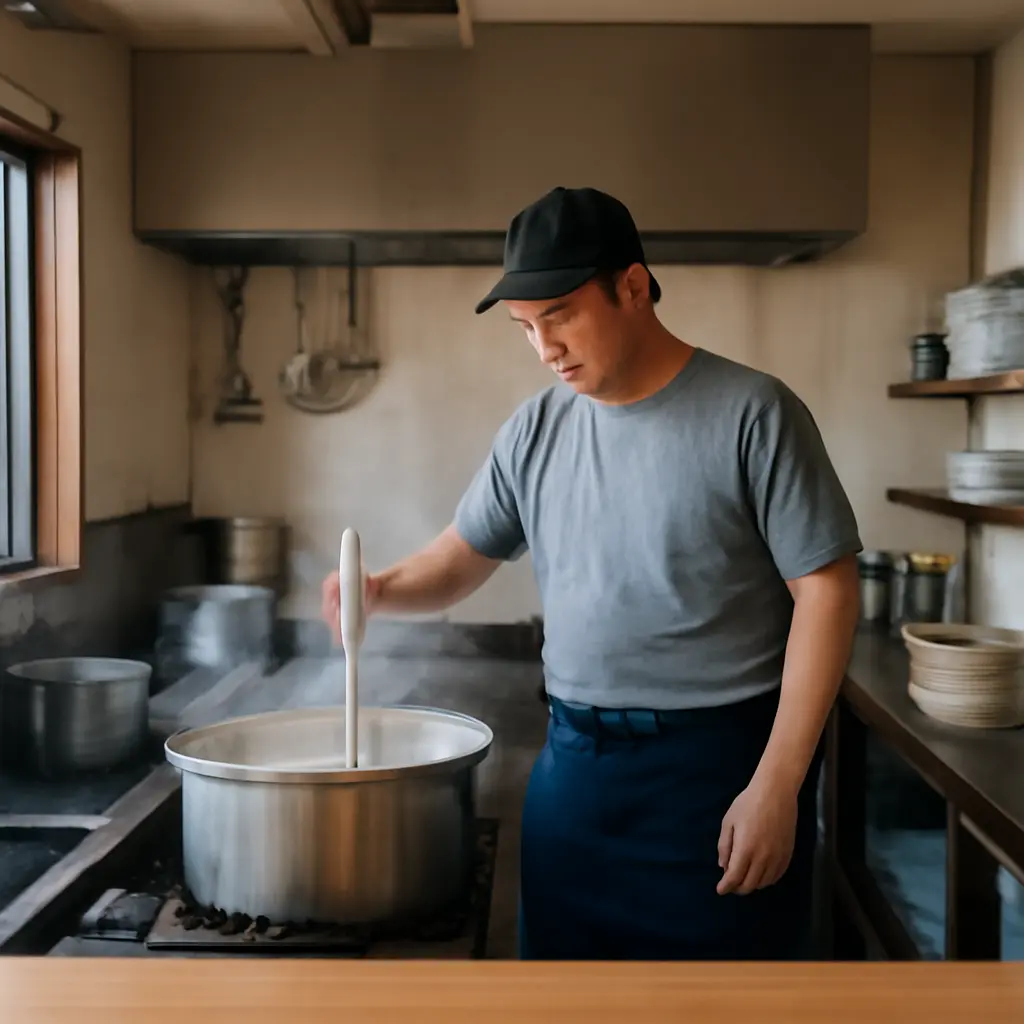
Miso ramen is a family of Japanese noodle soups seasoned with miso—not a single standardized recipe. Its best-known regional expression is Sapporo miso ramen, but bowls across Hokkaido and beyond vary in broth, miso blend, toppings, and cooking technique. Understanding those differences means looking at Sapporo’s warming, often wok-finished style, Hokkaido’s local variations, and newer regional and shop-specific interpretations. Historical accounts trace Sapporo’s miso ramen boom to the postwar period, while Japan’s tourism and local-food traditions have helped make regional ramen a marker of place as much as a comfort food.
Regional variation defines miso ramen
Miso ramen is ramen in which miso paste is a central seasoning in the soup. The Japan Food Product Industry Association describes miso as a fermented seasoning made by combining soybeans with salt and koji; the choice of ingredients, fermentation, and aging produces different colors and flavors. In ramen, the paste may be blended into a prepared broth or cooked with aromatics and other ingredients before liquid is added.
There is no official national classification that assigns every miso ramen bowl to a fixed regional type. Instead, regional labels describe recognizable local traditions, while individual shops adjust the recipe. This distinction matters: a bowl called “Sapporo-style” signals a family of techniques and flavors, not one legally or historically fixed formula.
Sapporo’s signature bowl is commonly associated with a rich, hearty soup, curly or wavy noodles, and toppings such as bean sprouts, minced pork, and sweetcorn. But miso ramen can also be lighter, spicier, seafood-focused, or built around a particular miso variety. The regional breakdown is best understood as a map of influences rather than a rigid taxonomy.
Sapporo established the best-known miso ramen profile
Sapporo miso ramen is a regional style from Sapporo, the capital of Hokkaido, whose defining attribute is the use of miso in a substantial, savory soup. The Sapporo Ramen Association and local tourism accounts commonly connect the style’s rise to the city’s postwar ramen culture. A frequently cited origin story places an early miso ramen serving at Aji no Sanpei in the 1950s, although the precise “first bowl” claim is a matter of local historical attribution rather than a universally settled record.
The style’s hallmark is not just miso seasoning. Many Sapporo shops fry or sauté ingredients—often pork, vegetables, and miso—in a wok, then add broth. This can create a deeper, roasted aroma and a fuller texture than simply stirring miso into a finished soup. The approach also suits Hokkaido’s cold winters, when a hot, rich bowl has obvious appeal.
Wok-finished broth builds aroma and body
A wok-finished broth is made by heating aromatics and seasonings with fat before adding soup stock. Garlic, ginger, pork fat, or ground meat may be cooked with miso, helping disperse its flavor and add a toasted note. Shops vary the sequence and ingredients, so “wok-fried” describes a technique, not a single recipe.
The method can also link the soup and toppings: bean sprouts or cabbage may be briefly stir-fried in the same pan, picking up the seasoned fat. That makes the bowl feel integrated rather than assembled from unrelated components. A restaurant may still serve Sapporo-style ramen without using every one of these ingredients.
Curly noodles and classic toppings complete the bowl
Sapporo ramen is strongly associated with yellow, medium-thick, wavy noodles. Their shape and firmness help them hold onto a dense soup, though noodle specifications differ among shops. The familiar topping set includes bean sprouts, minced pork, scallions, and sweetcorn; butter is another well-known addition, reflecting Hokkaido’s dairy identity.
These ingredients are conventions, not requirements. Corn and butter became especially recognizable signals of Hokkaido ramen for visitors, but they are not present in every local bowl. A useful way to read the toppings is as a combination of practical texture, regional produce, and tourist-facing imagery.
Hokkaido’s other ramen centers broaden the regional picture
Sapporo is the most famous Hokkaido miso-ramen center, but it does not represent every bowl served on the island. Hokkaido’s food culture includes distinct ramen traditions in cities such as Asahikawa and Hakodate. These are often identified more closely with shoyu and shio ramen, respectively, which makes them useful comparisons: regional ramen identity is not synonymous with miso.
Travel and food organizations, including the Hokkaido Tourism Organization, present local ramen as part of the prefecture’s broader regional cuisine. In practice, restaurants across Hokkaido may serve miso ramen even where another broth style is the area’s better-known specialty. Local ingredients and shop histories frequently matter more than a simple city-to-flavor rule.
Asahikawa shows how local conditions shape ramen
Asahikawa ramen is most often associated with a soy-seasoned broth and a layer of oil that helps retain heat in the city’s cold climate. It is not a standard miso subtype, but it demonstrates why regional ramen distinctions should be kept clear: a Hokkaido location does not automatically make a bowl Sapporo-style or miso-based.
Asahikawa restaurants may offer miso versions alongside their better-known shoyu bowls. Those versions can borrow the region’s hearty approach while reflecting each shop’s own stock and seasoning choices.
Hakodate provides a contrast with shio ramen
Hakodate is widely recognized for shio, or salt-seasoned, ramen, often described as clearer and more delicate than rich Sapporo miso ramen. The contrast highlights the role of seasoning: ramen’s regional identity can be tied to the tare, or concentrated seasoning base, as well as to broth, noodles, and toppings.
A miso bowl in Hakodate is still miso ramen, but it should not be confused with the city’s signature shio tradition. This distinction helps diners separate a restaurant’s menu options from the style most associated with its location.
Miso variety and shop technique create further subtypes
Beyond geography, miso ramen can be grouped by the miso used, the soup base, and the way the seasoning is prepared. Food authorities and miso producers commonly distinguish miso by ingredients, color, and fermentation; broad labels include rice miso, barley miso, and soybean miso. These categories influence sweetness, saltiness, aroma, and depth, but there is no one-to-one rule that dictates how a particular miso must taste in a finished ramen.
Red, white, and blended miso change the flavor balance
Red miso generally has a longer or more intense fermentation profile and can contribute a deeper, more assertive flavor. White miso is often milder and sweeter. Blended miso combines pastes to balance those characteristics, and many ramen shops use proprietary blends rather than naming a single variety on the menu.
Color alone is not a reliable measure of saltiness or quality: ingredients, fermentation conditions, and the proportions in a blend all matter. In a finished bowl, stock, fat, aromatics, and toppings can substantially change how the miso reads. A rich pork broth may soften the impression of a strong paste, while a lighter stock can make its sweetness or saltiness more noticeable.
Broth choices range from pork-rich to seafood-forward
Miso is a seasoning, not a broth. A shop can pair it with pork, chicken, seafood, vegetable stock, or a combination. Tonkotsu-based miso ramen uses a pork-bone broth; seafood-forward versions may draw on dried fish or shellfish; vegetarian bowls can use kombu, mushrooms, and vegetables for savoriness.
This distinction explains why two bowls labeled “miso ramen” can taste dramatically different. The label identifies the seasoning family, while the stock and cooking method determine much of the soup’s weight and aroma. For diners with dietary restrictions, the word “miso” alone does not indicate whether the broth contains pork, chicken, fish, or other animal products.
Spicy and modern versions extend the tradition
Spicy miso ramen adds chili paste, chili oil, or other heat-producing ingredients to the miso base. Contemporary shops may also add sesame, cheese, fermented vegetables, or unusual regional produce. These are shop-level innovations rather than separate historical regional schools unless a local community develops a sustained, recognizable tradition around them.
Modern variation does not erase the older styles. Instead, it shows how ramen works as a flexible restaurant food: a shop can preserve a recognizable regional structure while adapting flavor intensity and toppings to local tastes.
Regional ramen is a food tradition, not a fixed recipe
Japan’s regional ramen cultures illustrate how a dish can serve as both everyday food and local identity. Sapporo’s association with miso ramen has been reinforced by restaurants, food tourism, and the wider reputation of Hokkaido ingredients. Yet the region’s own ramen map includes other seasoning styles, and individual shops continually reinterpret the category.
Miso ramen also reflects Japan’s broader fermentation culture. Miso has been used in Japanese cooking for centuries, while ramen itself developed through modern restaurant and noodle traditions. Their combination produced a dish that could be adapted to local weather, ingredients, and customer preferences without requiring a single canonical formula.
When comparing bowls, look beyond the name: ask what miso blend is used, what stock forms the base, whether the ingredients are wok-finished, and which noodles and toppings are typical of the shop. Those details reveal more about a ramen’s regional character than the word “miso” alone.
Conclusion: read miso ramen as a regional family
Miso ramen is not one thing. Sapporo established its best-known profile through hearty miso seasoning, wok-finished ingredients, wavy noodles, and familiar toppings, while Hokkaido’s other ramen centers show that the island’s food identity is broader than miso. Miso type, broth, technique, and shop tradition create still more variation.
For a deeper tasting, compare a classic Sapporo bowl with a lighter miso version or a spicy, seafood-based interpretation, and ask the restaurant about its stock and miso blend. That approach turns a familiar menu label into a more precise way to explore regional Japanese food culture.
Sources: Japan Food Product Industry Association, “Miso,” https://www.japans-food.com/en/miso/; Sapporo Ramen Association, “Sapporo Ramen,” https://www.sapporo-ramen.com/; Hokkaido Tourism Organization, “Ramen,” https://www.visit-hokkaido.jp/en/; Japan National Tourism Organization, “Ramen,” https://www.japan.travel/en/guide/ramen/; Ministry of Agriculture, Forestry and Fisheries of Japan, “Japanese Traditional Dietary Cultures,” https://www.maff.go.jp/e/
Related Post

The Secret To A Noodle Bowl That Feels Complete In One Bowl
A noodle bowl is a one-dish meal built around noodles, a flavorful liquid or sauce, [...]

Turning A Long Day Into Easy Evenings With Izakaya Style Grazing
Izakaya-style grazing is a relaxed, small-plate approach to eating that turns a demanding day into [...]

Vegetables Do Umami Better Than You Think, Here’s Proof
Vegetables can deliver umami—the savory taste commonly associated with meat, aged cheese, and soy sauce—because [...]