
Bartenders reveal how shaking and stirring change everything
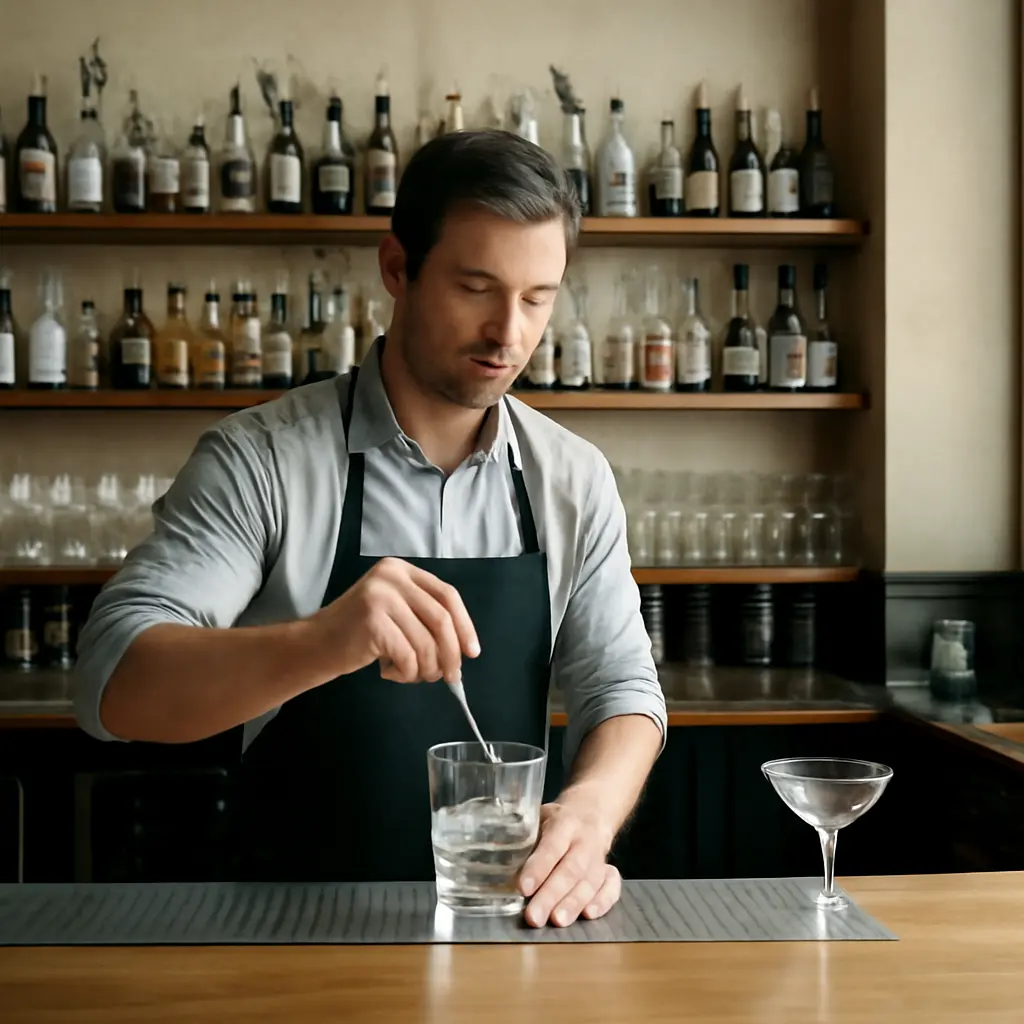
Shaking and stirring are two ways of chilling and mixing a cocktail, but they do not produce the same drink. Shaking usually cools a drink quickly, adds more water and creates a cloudier, aerated texture; stirring chills and dilutes more gently while preserving clarity and a silky feel. As bartenders and drinks researchers explain, the right method depends on the ingredients and the experience a recipe is meant to deliver—not on a rule that one technique is always superior.
Shaking and stirring change a cocktail’s texture, dilution and clarity
A cocktail-making method is the way a bartender combines ingredients to chill, dilute and integrate them. In practice, the central distinction is mechanical: shaking moves liquid forcefully with ice, while stirring circulates it more gently. Both methods cool a drink and add meltwater, but they differ in how quickly those changes happen and how much air and ice movement affect the finished texture.
The International Bartenders Association’s official cocktail recipes offer a useful illustration of ingredient-led technique: recipes such as the Dry Martini call for stirring, while drinks containing citrus, such as the Margarita, are shaken. These are established conventions, not immutable laws. A bartender may adapt a method to a specific recipe, ice, equipment or desired result.
Shaking: fast chilling and an aerated finish
Shaking means agitating a cocktail with ice in a sealed shaker. The movement continually brings liquid into contact with cold ice and encourages rapid heat exchange. It also introduces air and breaks up the liquid’s uniform appearance temporarily, so a shaken drink often looks cloudy and feels livelier or lighter on the palate.
Bartenders commonly shake drinks that contain fruit juice, dairy, egg white or other ingredients that benefit from vigorous mixing. A Whiskey Sour, for example, needs its whiskey, citrus and sweetener thoroughly combined. When a recipe includes egg white, shaking can build a foamy cap; the amount and persistence of foam depend on the recipe and technique. Shaking does not make every cocktail better, however: a stirred drink can become unnecessarily cloudy or aerated if shaken.
Stirring: controlled dilution and a clear appearance
Stirring means circulating a cocktail with ice in a mixing glass or similar vessel, then straining it into a serving glass. Compared with vigorous shaking, the gentler movement generally preserves a clear appearance and a smooth, cohesive texture. It is the familiar choice for drinks made mainly from spirits and other clear, readily combined ingredients.
A Martini or a Manhattan is commonly stirred because its spirits and aromatized wine can be blended without the aeration or cloudiness associated with shaking. The bartender still needs to chill and dilute the drink: stirring briefly may leave it hot and sharp, while stirring too long can make it thin. The target is a balanced result, not simply a fixed number of turns.
Ingredient choice explains the classic rule
The shorthand “shake citrus, stir spirits” reflects a practical distinction. Juice, syrups, cream and egg-based ingredients can require more force to disperse evenly, whereas spirit-forward mixtures are already comparatively uniform. Yet ingredients alone do not dictate technique in every case: a bartender may stir a drink with a small amount of juice or shake a spirit-led cocktail to produce a deliberately different texture.
That choice leads to the next question: what exactly changes inside the glass when the bartender chooses one method over the other?
Shaking and stirring change temperature and dilution at different rates
Temperature and dilution are linked. Ice absorbs heat from the cocktail as it melts, and the resulting water becomes part of the drink. The exact amount depends on the starting temperature, ice size and condition, the container, the volume of liquid and how long the bartender mixes it. For that reason, published recipe timing is best treated as a starting point rather than a universal measurement.
Shaking usually chills quickly, but results vary
A shaker’s vigorous motion repeatedly moves liquid around the ice, which can cool a drink rapidly. The same movement can also promote faster melting, although the outcome depends on the ice and the bartender’s rhythm. A commonly quoted bartending rule of thumb is to shake for roughly 10–15 seconds, but this is not a scientifically guaranteed time or a substitute for tasting and practice.
Ice is not a single, standardized ingredient. Large, solid cubes melt differently from small or wet pieces, and a crowded shaker behaves differently from one with room for the contents to move. A bartender working with crushed ice, for example, is managing much more ice-to-liquid contact than one using a few large cubes.
Stirring gives bartenders a measured path to balance
Stirring makes it easier to adjust chilling and dilution gradually, especially for spirit-forward drinks. A bartender can check the drink as it mixes and stop when its sharpness, temperature and body come into balance. A commonly cited working range is about 20–30 seconds, but glass temperature, ice quality and mixing technique can move the ideal time in either direction.
The goal is not to avoid dilution: a strong drink often needs water to open its aromas and soften the perception of alcohol. The goal is to add the amount that makes the recipe taste integrated without washing out its character. The American Chemical Society’s educational discussion of cocktails highlights dilution as a central part of how a drink’s ingredients and flavors come together.
No single dilution percentage fits every recipe
Cocktail guides sometimes provide dilution percentages, but these should not be treated as universal standards. A short, spirit-heavy drink served straight up has different needs from a tall drink served over fresh ice. Since ice, equipment and service conditions all matter, a precise percentage without a defined recipe and method can create a false impression of accuracy.
For a more useful comparison, picture a Martini and a Daiquiri. A Martini is generally stirred to preserve clarity and a silky texture; a Daiquiri, made with rum, lime juice and sugar, is shaken to combine its citrus and sweetener rapidly. The recipes illustrate common practice, while also showing why technique is about the intended drink rather than a contest between shaker and spoon.
Shaking and stirring create distinct textures and appearances
Texture is one reason experienced bartenders pay attention to technique even when both methods can mix the ingredients. Shaking can make a cocktail feel more open and frothy; stirring tends to yield a denser, clearer and more polished impression. These are tendencies, not guarantees: ingredients, straining and serving conditions also influence the result.
Aeration and foam are most noticeable in shaken drinks
Aeration is the incorporation of air into a liquid. Shaking can suspend tiny bubbles in a cocktail, producing a temporary cloudiness and a lighter-feeling texture. In drinks containing egg white, the mechanical action helps create foam, though the recipe and method determine whether the bartender uses a dry shake—shaking without ice first—or another approach.
This texture can be an important part of the drink rather than a flaw. A properly prepared sour with foam offers a different first sip from a clear, stirred cocktail. But if a recipe is meant to look transparent, excess aeration may undermine the intended presentation.
Clarity and mouthfeel often favor stirring
Stirring usually introduces less air, helping a drink remain clear when its ingredients are clear. Its smooth texture suits cocktails where the spirit’s aroma and the integration of a few ingredients take priority. A Manhattan, for instance, is commonly stirred so its whiskey, vermouth and bitters form a cohesive drink without the cloudier look associated with shaking.
Clarity is not a measure of quality by itself. A cloudy drink may be exactly right when it contains citrus or other opaque ingredients, while a crystal-clear drink may still be poorly balanced. The appearance should support the recipe’s intended character.
Straining completes the technique
The choice of strainer can affect what reaches the glass. A standard strainer holds back ice, while fine straining through a mesh strainer can catch small ice fragments and pulp. Bartenders may double-strain a shaken citrus drink for a cleaner texture, or use a single strain when a little pulp or texture suits the recipe.
The glass and serving ice matter too. A drink strained into a chilled coupe continues to warm after mixing; a drink poured over fresh ice keeps cooling and diluting as it sits. For a fair technique comparison, a bar should keep the recipe and serving conditions consistent.
Bartenders choose shaking or stirring by matching method to the drink
A bartender’s decision combines recipe convention, ingredient behavior and the desired guest experience. The method is also a craft skill: consistent ice, movement and timing help a bar reproduce a drink from one order to the next. For home bartenders, comparing the same recipe both ways is a practical way to understand those effects.
Use a recipe-led decision, then adjust to taste
Start with the recipe’s instruction, particularly for classic cocktails, then consider what the ingredients need. Shake when vigorous mixing, aeration or fast integration is desirable; stir when clarity and a smooth, restrained texture are priorities. If a drink tastes too hot, it may need more chilling or dilution; if it tastes watery, the mixing time, ice or serving setup may need adjustment.
A simple home test can make the difference easy to notice: prepare two equal portions of the same cocktail, shake one and stir the other, then serve them in identical chilled glasses. Compare temperature, clarity, aroma and texture. Keep the ingredients and ice as similar as possible, since otherwise it is difficult to tell which factor caused the difference.
Technique does not replace safe, consistent service
Shaking and stirring do not make a cocktail safer to drink or reduce its alcohol content in any reliable, meaningful way. Dilution changes concentration per sip, but the amount of alcohol in the serving remains tied to the measured ingredients. Responsible service therefore depends on accurate pours, clear communication and applicable local rules—not on whether the drink was shaken or stirred.
For working bars, standardized recipes and staff training help control consistency, cost and service time. For guests, asking how a drink is prepared can clarify expectations about foam, pulp, strength and presentation. Bartenders can use that conversation to explain the method and, where appropriate, offer an adjustment.
Conclusion: shaking and stirring are tools for shaping the cocktail
Shaking and stirring both chill and dilute cocktails, but they shape the result differently. Shaking generally works quickly and adds more aeration, making it useful for citrus, egg and other ingredients that need vigorous integration. Stirring generally favors clarity and a smoother texture, making it a natural choice for spirit-forward classics such as the Martini and Manhattan.
Neither technique is automatically better. The best choice depends on the ingredients, the intended texture, the ice and the way the drink will be served. Try a controlled side-by-side comparison at home, follow a trusted recipe, and pay attention to balance rather than timing alone. For further reading, consult the International Bartenders Association’s cocktail recipes and the American Chemical Society’s explanations of the science behind mixing drinks.
Sources: International Bartenders Association, The Unforgettables and Contemporary Classics cocktail recipes, https://iba-world.com/iba-cocktails/; American Chemical Society, “The Chemistry of Cocktails,” https://www.acs.org/education/resources/highschool/chemmatters/past-issues/archive-2014-2015/cocktails.html; Difford’s Guide, Cocktail Techniques: How to Shake and Stir, https://www.diffordsguide.com/encyclopedia/1074/cocktails/cocktail-techniques-how-to-shake-and-stir.
Related Post

The Rise of Cocktail Culture: How We Got Here
Cocktail culture is the social world of mixed drinks: the recipes, skills, venues, rituals, and [...]

From Classic Highballs To Neat Pours For Your Evening Unwind
Cocktail Format: From Classic Highballs to Neat Pours for Your Evening Unwind A cocktail format [...]

How Bartenders Nail The Perfect Harmony Of Sweet Bitter And Sour
Cocktail balance is the bartender’s deliberate coordination of sweetness, bitterness, acidity, alcohol, aroma, and dilution [...]