
Common Mistakes New Izakaya Bars Make and How to Avoid Them
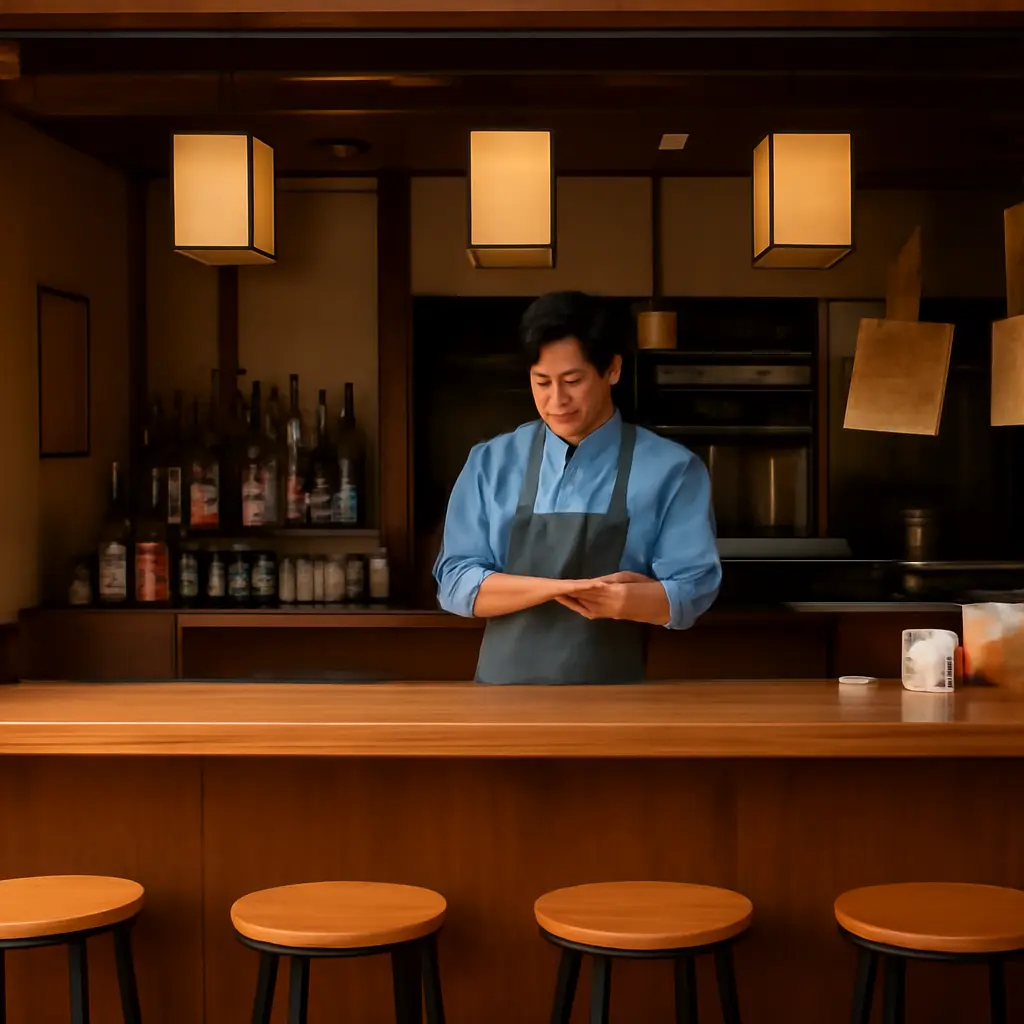
An izakaya is a Japanese-style neighborhood drinking establishment where guests typically share drinks and small dishes in a relaxed, social setting. New izakaya bars often struggle not because their concept lacks appeal, but because they underestimate the coordination required across menu design, beverage service, food safety, staffing, and cost control. Avoiding those mistakes starts with a clear identity, a manageable menu, disciplined operations, and genuine hospitality. The stakes are real: the U.S. Bureau of Labor Statistics has historically reported that roughly half of new private-sector establishments survive five years, while restaurant benchmarks show that labor and food costs leave little room for operational errors. The guidance below explains how to build a focused concept, run a coherent kitchen and bar, protect margins, train staff, and use customer feedback to improve.
Concept clarity strengthens izakaya positioning
An izakaya is commonly described as a casual Japanese drinking establishment serving alcoholic beverages alongside small, shareable dishes. Japan’s National Tax Agency and tourism materials describe izakaya as places for drinks and food, while the Japan National Tourism Organization presents them as informal venues for social dining. The exact format varies: some resemble neighborhood pubs, others emphasize yakitori, seafood, sake, or regional specialties. A new bar should define which version it is offering rather than treating “Japanese” as a complete concept.
Mistake: Building a vague or stereotyped concept
A vague identity makes it difficult for guests to understand what the bar does especially well. A menu mixing sushi, ramen, tempura, robata, and unrelated pan-Asian dishes may appear ambitious, but it can create operational complexity and weaken credibility. Avoid relying on superficial décor or broad cultural clichés as substitutes for a clear point of view.
Instead, define the occasion and promise: for example, a yakitori-led neighborhood bar with Japanese whisky, a sake-focused room serving seasonal otsumami, or a casual late-night spot with a compact grill menu. Explain the format in plain language, and make sure the atmosphere, food, drinks, and service support the same promise. If the menu uses regional or traditional claims, verify them and describe adaptations honestly.
Mistake: Ignoring the local market and guest occasion
Izakaya customers may visit for after-work drinks, a quick meal, a group celebration, or a late-night snack. These occasions affect seating, menu portions, reservation policies, and opening hours. Before committing to a lease or format, study nearby competition, foot traffic, local alcohol rules, customer spending patterns, and demand at different times of day. The National Restaurant Association’s industry research regularly identifies value, convenience, and experience as important consumer considerations; a bar needs to understand which of these its intended guests prioritize.
A practical test is to interview potential customers and run limited pop-ups or tasting events. Track what people order, how long they stay, what they consider good value, and whether they return. Use this evidence to refine the concept before investing in a large build-out or an unnecessarily broad menu.
Menu design improves izakaya profitability
Izakaya menu design is the selection, portioning, pricing, and organization of food and drinks to suit shared dining while remaining executable and profitable. Small plates are a defining feature, but “small” does not automatically mean low-cost or simple. Every dish still requires purchasing, storage, preparation, labor, equipment, and waste management. A strong menu balances guest appeal with kitchen capacity and a clear path to consistent quality.
Mistake: Offering too many dishes from opening day
An oversized menu increases the number of ingredients, prep tasks, supplier relationships, and opportunities for spoilage. It can also slow ticket times when a small team must switch among unrelated techniques. Start with a deliberately compact menu organized around a few reliable categories, such as grilled skewers, fried items, cold plates, rice or noodles, and a rotating seasonal special.
Use a recipe and prep specification for each item: ingredient weights, yield, portion size, cooking method, plating standard, allergen information, and target cost. Review sales and waste after launch, then remove dishes that are consistently unpopular or difficult to execute. A seasonal special should use ingredients the kitchen can store and prepare safely, not merely add novelty.
Mistake: Pricing without understanding contribution and waste
Menu price should reflect more than the purchase price of ingredients. Operators need to account for usable yield, trim, spoilage, packaging, labor intensity, and the role each item plays in a guest’s order. The National Restaurant Association has reported that food and labor are among the largest operating expenses for restaurants, making accurate costing essential even when exact benchmarks differ by restaurant type and market.
Calculate recipe cost from actual invoices and portions, then compare it with selling price and sales mix. Review contribution margin—the amount left after direct item costs—not just food-cost percentage. For example, a labor-intensive dish may have an acceptable ingredient percentage but still contribute little if it takes too long to prepare. Establish a regular process for updating costs when supplier prices change, and use a small number of cross-utilized ingredients without making the menu feel repetitive.
Mistake: Treating allergies and food safety as afterthoughts
Food safety includes preventing contamination, controlling time and temperature, and communicating ingredients and allergens accurately. The U.S. Food and Drug Administration’s Food Code is a model used by state and local regulators; local requirements determine the rules that apply to a specific operation. The FDA identifies nine major food allergens in the United States, including sesame, which was added under federal law in 2023.
Create written ingredient and allergen records for every dish, train staff to escalate questions rather than guess, and establish procedures for clean utensils and separate preparation when appropriate. Keep required temperature logs, label and date stored foods, and make sure employees know which tasks require handwashing or glove changes. Do not promise an allergen-free dish unless the kitchen can reliably prevent cross-contact.
Beverage programs make izakaya identity tangible
An izakaya beverage program is the curated selection and service of drinks—often beer, sake, shochu, whisky, cocktails, and nonalcoholic options—that complements the food and sets the bar’s character. It should be understandable to newcomers as well as knowledgeable guests. Inventory, responsible service, glassware, storage, and staff training matter as much as the list itself.
Mistake: Creating a confusing or oversized drinks list
A long list can overwhelm guests and tie up cash in slow-moving bottles. A focused selection might include a few approachable sake styles, a rotating premium option, Japanese or locally relevant beer, a compact shochu selection, a signature highball, and appealing alcohol-free drinks. Describe flavors, serving temperature, size, and price clearly. Where appropriate, offer a short staff recommendation that connects a drink to a dish.
Sake is often misunderstood as a single flavor category. The Japan Sake and Shochu Makers Association explains that sake styles vary according to factors such as rice polishing, production methods, and serving choices. Train staff to offer simple guidance—dry or sweet, light or rich, chilled or warm—without turning every order into a technical lecture.
Mistake: Neglecting inventory, storage, and responsible alcohol service
Poor inventory routines can cause overpouring, stockouts, expired products, and unexplained losses. Record purchases and transfers, count high-value items regularly, standardize cocktail and highball recipes, and compare usage with point-of-sale sales. Store beverages according to product requirements and local regulations, and check that draft systems and glassware are maintained.
Responsible service is also an operational requirement, not merely a courtesy. Train employees to verify age, follow local licensing rules, recognize signs of intoxication, and respond consistently. Provide water and food, make nonalcoholic options visible, and arrange safe transportation guidance when needed. Alcohol laws vary by jurisdiction, so operators should confirm current requirements with their licensing authority.
Service and workflow determine the guest experience
Izakaya service combines hospitality with coordination: guests may order several dishes over time, share plates, and return to the menu as the evening unfolds. The experience depends on the room, kitchen, bar, and floor staff working from the same plan. A welcoming atmosphere cannot compensate for long unexplained delays or inconsistent execution.
Mistake: Designing a room that works only when it is quiet
A poorly planned floor can create blocked aisles, crowded pickup points, slow table turns, and uncomfortable noise. Before opening, map guest routes, server stations, dish return, bar access, and emergency exits. Test the layout during a realistic service simulation with a full team and sample ticket volume.
Match seating to the intended experience. A mix of small tables, counter seating, and group options may support different visit types, but only if staff can serve them efficiently. Check lighting, ventilation, acoustics, and accessibility against local building and disability requirements. Do not add seats simply to maximize capacity if they undermine circulation or comfort.
Mistake: Failing to coordinate small plates and pacing
Small-plate dining creates a pacing challenge: dishes may arrive at different intervals, and guests may expect to order throughout the visit. Establish clear communication between the point-of-sale system, kitchen, and floor team. Use ticket routing or course controls where helpful, and agree on how staff handle delayed items, sold-out dishes, and requests to hold or expedite food.
Train servers to explain that dishes are often prepared as ready rather than served in a fixed sequence, while still checking whether a table prefers a particular pace. A simple table check after the first dishes arrive can identify missing items before frustration builds. Record ticket times and guest complaints by shift to distinguish occasional delays from a recurring bottleneck.
Mistake: Undertraining staff or relying on informal instructions
Training should cover menu ingredients, allergens, beverage basics, service steps, point-of-sale procedures, opening and closing duties, and emergency response. The U.S. Bureau of Labor Statistics describes food preparation and serving work as involving customer service, food handling, and coordination; those responsibilities require practical instruction, not just a quick verbal orientation.
Create concise checklists and role-specific training, then use shadow shifts and supervised practice before employees work independently. Cross-train where feasible, but do not treat cross-training as a substitute for adequate staffing. Schedule according to expected demand, comply with wage and break rules, and review turnover and attendance patterns for signs that workload or management practices need attention.
Financial controls protect new izakaya businesses
Financial control is the routine measurement of sales, costs, cash, inventory, and cash flow against a realistic operating plan. A bar can be busy and still lose money if prices, labor, rent, waste, and purchasing are not monitored. The U.S. Small Business Administration advises businesses to plan startup costs, estimate ongoing expenses, and understand their break-even point before launch.
Mistake: Opening without a cash-flow and break-even plan
Opening costs can include deposits, construction, licenses, equipment, initial inventory, insurance, professional fees, and pre-opening payroll. A new operator should also budget for slow periods and unexpected repairs. Estimate fixed costs and variable costs separately, then calculate the sales level needed to cover them. This does not guarantee success, but it makes assumptions visible before commitments become difficult to reverse.
Build scenarios for conservative, expected, and strong sales rather than relying on a single optimistic forecast. Include seasonality, weekday-versus-weekend demand, payment processing, taxes, and debt obligations. Review actual results weekly during the early months and adjust staffing, purchasing, or hours based on evidence rather than instinct alone.
Mistake: Failing to monitor purchasing, waste, and sales mix
Without regular counts and invoice checks, owners may miss over-ordering, portion drift, theft, or supplier price increases. Use consistent inventory units, record deliveries, rotate stock using first-in, first-out practices, and compare theoretical ingredient use with actual counts. Investigate discrepancies promptly and document corrective actions.
A simple weekly dashboard can show net sales, guest counts, average check, labor hours, food and beverage purchases, waste, and top-selling or underperforming items. Separate food and beverage categories where the point-of-sale system allows. These measures help identify whether a problem comes from low traffic, weak conversion, excessive cost, or an inefficient menu.
Customer feedback helps izakaya bars improve
Customer feedback is information about a guest’s experience gathered through conversation, reviews, surveys, and observed behavior. For a new izakaya, it can reveal whether the concept is understandable, portions feel right, prices seem fair, and service pacing works. Feedback is most useful when it is treated as operational evidence rather than as a verdict on an owner’s personal taste.
Mistake: Treating online reviews as the only measure of performance
Online reviews can spotlight recurring issues, but they rarely explain the full customer base or why a problem occurred. Combine them with direct comments, reservation data, repeat visits, sales patterns, ticket times, and staff observations. Respond to criticism calmly and factually, protect guest privacy, and avoid arguing publicly.
Look for repeated patterns rather than reacting to every isolated preference. If several guests mention confusing sake descriptions, revise the menu language. If complaints cluster around a particular time, investigate staffing and kitchen capacity. Close the loop by telling employees what changed and checking whether the adjustment improved results.
Mistake: Making changes without testing them
Frequent unmeasured changes can confuse regulars and make it impossible to learn what works. Test one change at a time when possible—for example, a revised portion, a clearer menu description, or a different service prompt—and compare sales, guest comments, and execution time before and after. Keep successful changes and document the reasons for them.
Conclusion: Build an izakaya around repeatable hospitality
The most common new-izakaya mistakes are a fuzzy concept, an oversized or poorly costed menu, an unfocused drinks list, weak food-safety routines, impractical service flow, inadequate training, and insufficient financial controls. Each problem is manageable when addressed before it becomes part of daily habit. Define the experience, design a menu the team can execute, train staff to serve safely and confidently, and measure costs and guest response consistently.
Before opening—or during your next operating review—choose one improvement in each area, assign an owner, and set a date to evaluate the result. Consult local health, building, labor, and alcohol-licensing authorities for requirements specific to your location, and use trusted industry resources to keep learning. A distinctive izakaya is built not only on atmosphere and good food, but on reliable decisions that make guests want to return.
Sources: U.S. Bureau of Labor Statistics, Establishment age and survival data, https://www.bls.gov/bdm/; National Restaurant Association, State of the Restaurant Industry, https://restaurant.org/research-and-media/research/research-reports/; Japan National Tourism Organization, Izakaya, https://www.japan.travel/en/guide/izakaya/; Japan Sake and Shochu Makers Association, Sake, https://japansake.or.jp/sake/en/; U.S. Food and Drug Administration, Food Code, https://www.fda.gov/food/retail-food-protection/fda-food-code; U.S. Food and Drug Administration, Food Allergies, https://www.fda.gov/food/food-labeling-nutrition/food-allergies; U.S. Small Business Administration, Calculate your startup costs, https://www.sba.gov/business-guide/plan-your-business/calculate-your-startup-costs.
Related Post

Turning Quiet Kitchens Into Late Night Social Hubs
Quiet-kitchen activation is the deliberate conversion of an underused kitchen into a comfortable late-night social [...]

Spicy Yakitori Twists That Pair Surprisingly Well With Cold Beer
Spicy yakitori twists are grilled chicken skewers that add heat, citrus, fermented chile, or aromatic [...]

Balancing Dim Lighting Noise And Comfort For Every Kind Of Guest
Guest comfort is the ability of a hospitality space to support physical ease, clear communication, [...]