
How to Order at a Japanese Bar Restaurant Like a Local
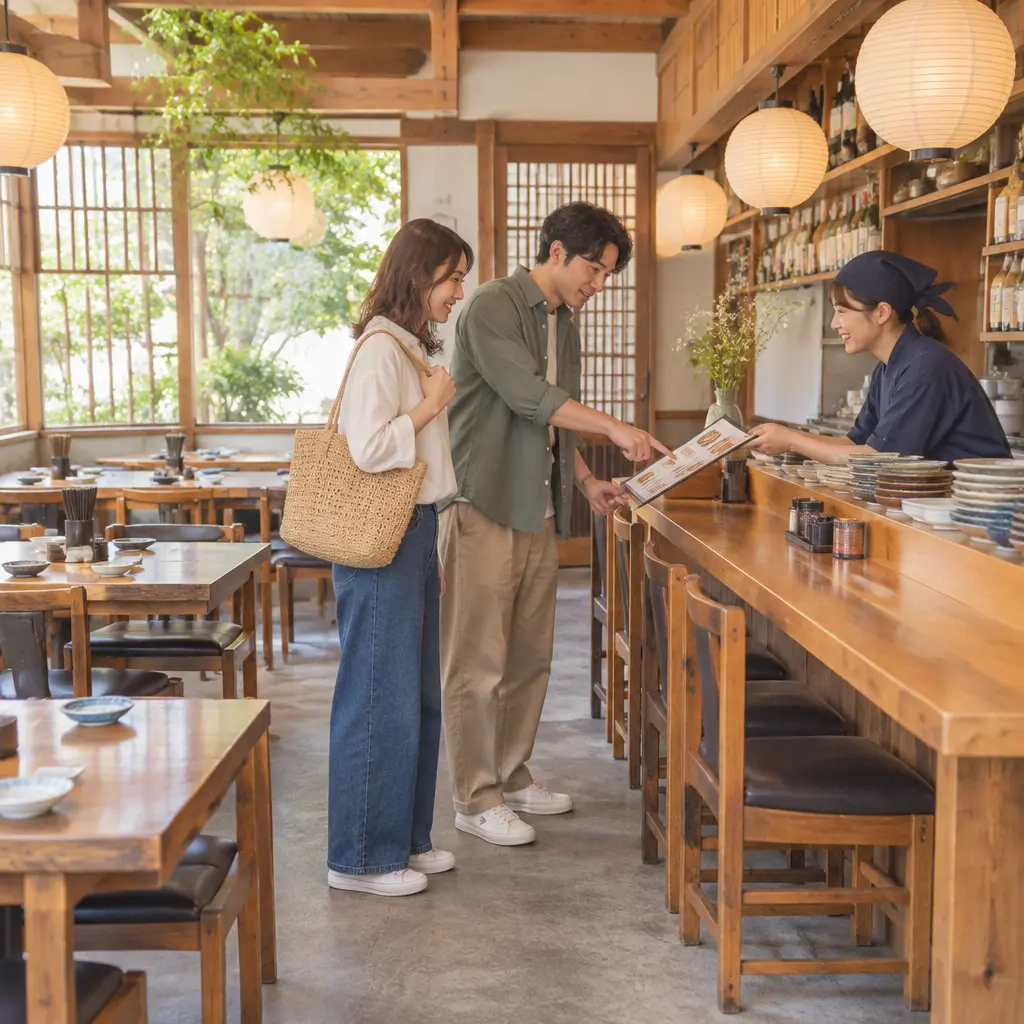
A Japanese bar restaurant—often an izakaya—is a casual place to share small dishes and drinks, usually over a relaxed, social meal. To order comfortably, start with a greeting, ask for a drink, choose a few dishes to share, and add more as you go. That approach fits the izakaya’s flexible, group-oriented style: Japan’s Ministry of Health, Labour and Welfare reported that 2023 domestic sake shipments totaled about 408,000 kiloliters, reflecting one longstanding part of the country’s drinking culture, while izakaya menus today commonly include beer, sake, shochu, and nonalcoholic options. Knowing the basic ordering phrases, menu conventions, payment customs, and etiquette can help visitors take part without treating every meal like a formal ceremony.
How izakaya ordering works in a Japanese bar restaurant
An izakaya is a Japanese drinking establishment that serves food alongside alcoholic and nonalcoholic drinks. The Japan National Tourism Organization describes izakaya as casual venues for drinks and dishes, often ordered gradually and shared. Unlike a restaurant where guests may order a complete individual meal at once, an izakaya visit often begins with drinks, continues with several small plates, and ends when the group is ready to leave.
There is no single mandatory sequence, and customs vary by venue, region, and group. A useful default is to order one drink and a couple of dishes first, then see what everyone wants next. The menu may use Japanese names, pictures, or both; staff may take orders verbally, on a paper slip, through a tablet, or by QR code. If you are unsure, a polite question is better than guessing.
Start with the welcome snack and cover charge
Some izakaya serve an automatic small appetizer called otoshi or tsukidashi, often after guests sit down. It may also indicate a table or seating charge, so it is not always a complimentary dish you must have requested. Practices and prices differ: check the menu or ask, “Otoshi wa nan desu ka?” (“What is the otoshi?”) or “Otoshi wa ryōkin ni fukumaremasu ka?” (“Is the otoshi included in the charge?”). If you have a dietary restriction, tell the staff before eating it.
An otoshi is distinct from the dishes you order yourself. Because the custom is not universal, do not assume every restaurant will serve one; look for a menu notice or ask about extra charges if the bill is unclear.
Order drinks before choosing more food
A common first order is a drink for each person, followed by a few shareable plates. “Toriaezu nama” means roughly “A draft beer to start,” and is familiar in some groups, but it is not a required ritual. If you do not drink alcohol, ask for ūron-cha (oolong tea), tansansui (sparkling water), juice, or another nonalcoholic choice. Japan’s National Tax Agency classifies sake, beer, and distilled spirits such as shochu as different categories of alcoholic beverage, so menu labels can help distinguish what you are ordering.
Useful phrases include “Nama biru hitotsu kudasai” (“One draft beer, please”), “Osusume wa nan desu ka?” (“What do you recommend?”), and “Arukōru nashi no nomimono wa arimasu ka?” (“Do you have nonalcoholic drinks?”). Pointing to a menu item and saying “Kore o kudasai” (“This, please”) is also practical.
Choose izakaya dishes for sharing and balance
Izakaya dishes are usually ordered in portions intended for the table, though serving sizes vary considerably. Start with a mix of flavors and textures rather than ordering a large meal for each person. Popular choices include edamame (soybeans), yakitori (grilled chicken skewers), karaage (Japanese-style fried chicken), sashimi, tofu, pickles, and grilled fish. These are examples, not a standard set menu: regional specialties and seasonal ingredients can make one izakaya very different from another.
Read common menu categories
Menus often group foods by preparation or ingredient. Recognizing a few category names makes it easier to scan the options and build a varied order.
- Yakimono: grilled dishes, including skewers, fish, or vegetables.
- Agemono: fried foods, such as karaage or tempura.
- Sashimi: sliced raw fish or seafood, commonly served with soy sauce and condiments.
- Tsukemono: pickled vegetables, often served as a sharp or refreshing side.
- Shime: a final dish, such as rice, noodles, or soup, ordered near the end of the meal.
These labels are useful clues rather than guarantees about ingredients or preparation. Ask about raw seafood, allergens, or cooking methods when those details matter.
Order in rounds and share considerately
Ordering in rounds means beginning with a modest selection, then adding dishes after they arrive. This reduces the chance of ordering too much and lets the table adjust to portion sizes. A natural progression might be edamame and sashimi, followed by grilled skewers and a fried dish, then rice or noodles if people are still hungry. There is no required order, and guests can ask for items whenever they are ready.
When sharing, use serving chopsticks if provided, or ask for them with “Toribashi o onegaishimasu.” Avoid passing food directly from chopsticks to chopsticks, a gesture associated with Japanese funeral customs. If you have a dietary need, state it clearly: “Niku wa taberaremasen” means “I can’t eat meat,” while “Kōshinkyō ga arimasu” means “I have an allergy.” For serious allergies, show a written Japanese allergy card as well, since ingredients and cross-contact risks can be difficult to explain in a noisy bar.
Follow practical izakaya etiquette from arrival to payment
Izakaya etiquette is best understood as practical consideration, not a rigid performance. Speak politely, notice whether the restaurant expects guests to remove shoes, and follow the staff’s instructions about seating and ordering. Customs differ: some places are lively and informal, while others are quiet, compact, or focused on a particular specialty.
Use simple phrases and let the staff guide you
A few courteous expressions can make ordering smoother. “Sumimasen” can get a server’s attention; “Onegaishimasu” is a polite way to make a request; and “Arigatō gozaimashita” means “Thank you very much.” In some restaurants, staff call out greetings or dish names loudly as part of the atmosphere. You do not need to imitate this—responding naturally and politely is enough.
If the menu is difficult, ask whether it has photos or an English version. A translation app can help, but machine translations may miss cooking details or allergens. Pointing to the Japanese item, confirming the quantity, and asking the staff to clarify are often more reliable than ordering from a translation alone.
Understand the bill, service charge, and tipping
Check whether the menu lists tax, seating charges, or an automatic appetizer before ordering. Some establishments include consumption tax in displayed prices; others show tax separately, so the posted total and bill format can vary. The National Tax Agency sets Japan’s standard consumption tax rate at 10%, with a reduced 8% rate applying to certain food and drink sales; restaurant dining generally falls under the standard rate.
Tipping is not generally expected at Japanese restaurants. The Japan National Tourism Organization advises visitors that tipping is not customary and can cause confusion. Pay the amount shown, and if you are uncertain, ask “Okaikei onegaishimasu” (“The bill, please”). At some venues, payment is made at the register rather than at the table; follow the staff’s directions.
Know when to order the final dish
A shime is a final, filling dish commonly ordered toward the end of an izakaya visit. It may be rice, ochazuke (rice with tea or broth), noodles, or soup, depending on the restaurant. It is optional—not a required course—and groups often order one or two items to share. If you are ready to finish, ask for the bill rather than assuming the restaurant follows a fixed dining timetable.
A sample order for a first izakaya visit
For two diners, a simple first order could be one drink each, edamame, two or three yakitori skewers, and one grilled or fried dish. After those arrive, decide whether to add sashimi, vegetables, or another plate. Finish with a shared rice or noodle dish only if you want one. This is a flexible example, not a prescribed meal; appetite, venue style, and portion size should guide the final order.
- Greet the staff and confirm the seating arrangement or any cover charge.
- Order a first drink, including a nonalcoholic option if preferred.
- Select a few dishes from different menu categories and share them.
- Ask about ingredients or allergens before eating anything uncertain.
- Order additional plates in a second round, then request the bill when finished.
The main local-feeling habit is not memorizing a perfect script. It is paying attention to the restaurant’s rhythm, ordering at a comfortable pace, and treating the food as part of a shared social occasion.
Conclusion: Order naturally by keeping it simple
To order at a Japanese bar restaurant like a local, understand the izakaya as a casual place for drinks and shared food, begin with a drink and a few dishes, and add more in rounds. Learn a few menu terms, check whether an otoshi or seating charge applies, communicate dietary needs clearly, and remember that tipping is not customary. Practices vary between restaurants, so asking politely is always appropriate. Before your next visit, choose a couple of useful phrases and review the menu categories; then let the staff and the people at your table guide the pace.
Sources: Japan National Tourism Organization, “Izakaya,” https://www.japan.travel/en/guide/izakaya/; Japan National Tourism Organization, “Tipping in Japan,” https://www.japan.travel/en/plan/tipping-in-japan/; Japan Ministry of Health, Labour and Welfare, “Overview of Liquor Industry in Japan,” https://www.mhlw.go.jp/; National Tax Agency of Japan, “Consumption Tax,” https://www.nta.go.jp/english/taxes/consumption_tax/; National Tax Agency of Japan, “Liquor Tax,” https://www.nta.go.jp/english/taxes/liquor_tax/.
Related Post
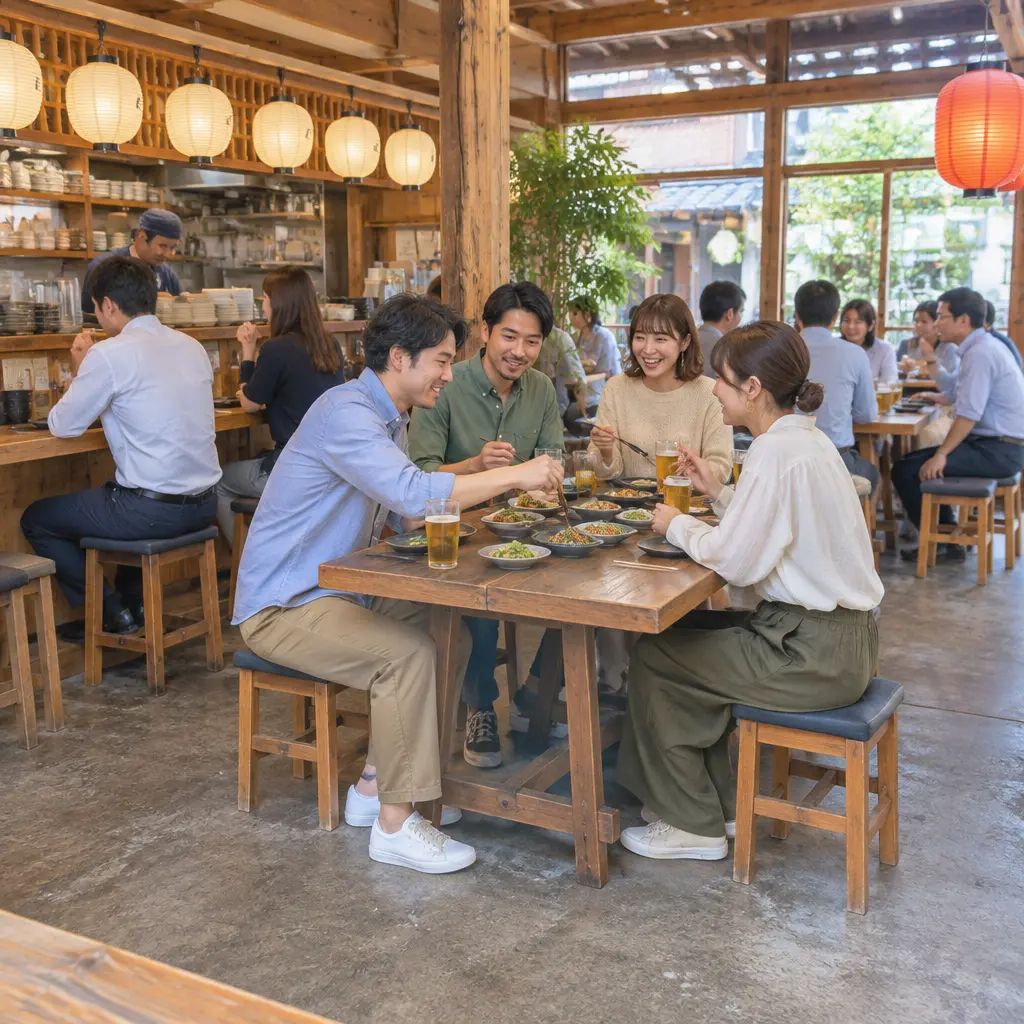
Why Izakaya Bars Are Perfect for Groups, Dates, and After-Work Hangouts
An izakaya is a Japanese-style pub where people gather over drinks and a variety of [...]

Comforting Noodle Bowls That Keep Guests Lingering Longer
Comforting Noodle Bowls: Designing Meals That Keep Guests Lingering Longer Comforting noodle bowls are composed, [...]
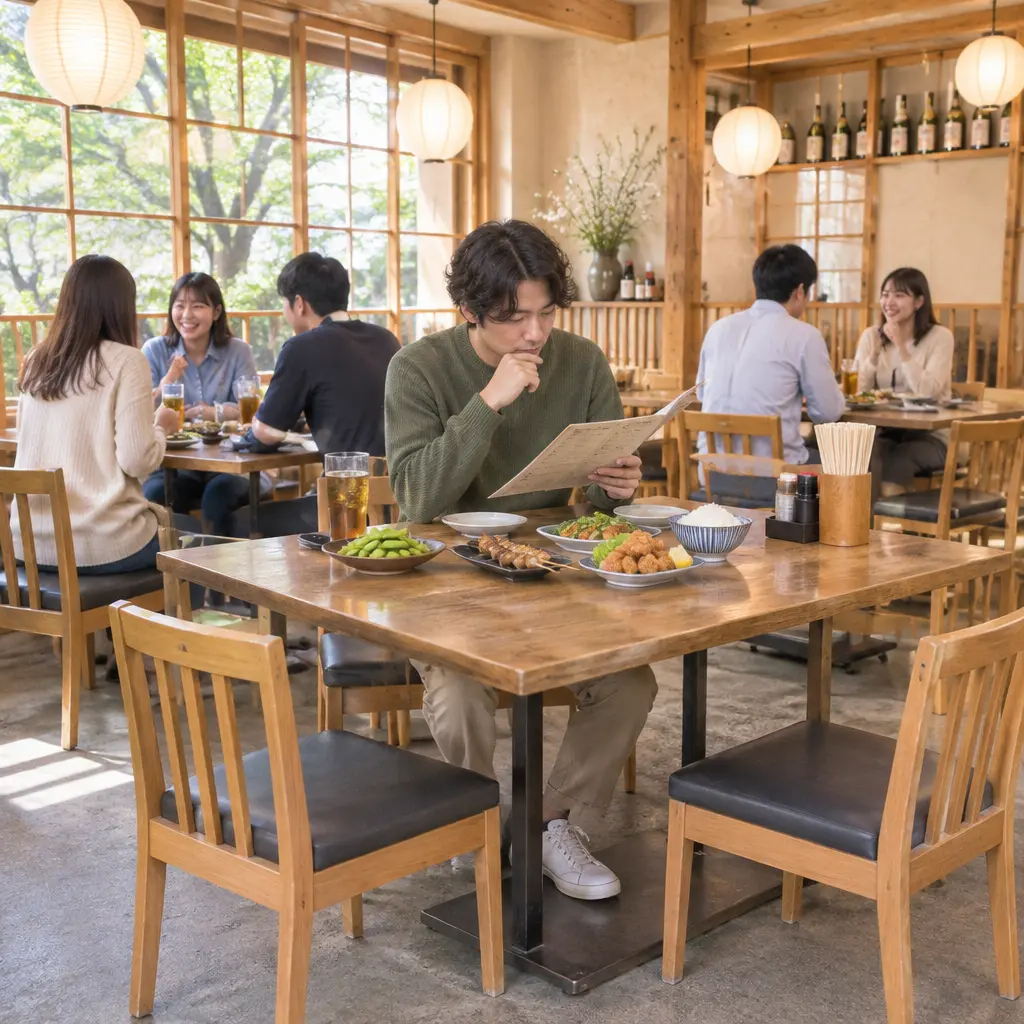
The Best Izakaya Dishes for First-Timers
An izakaya is a Japanese-style casual drinking establishment where guests share drinks and small dishes, [...]