
The Best Japanese Small Plates to Order with a Drink
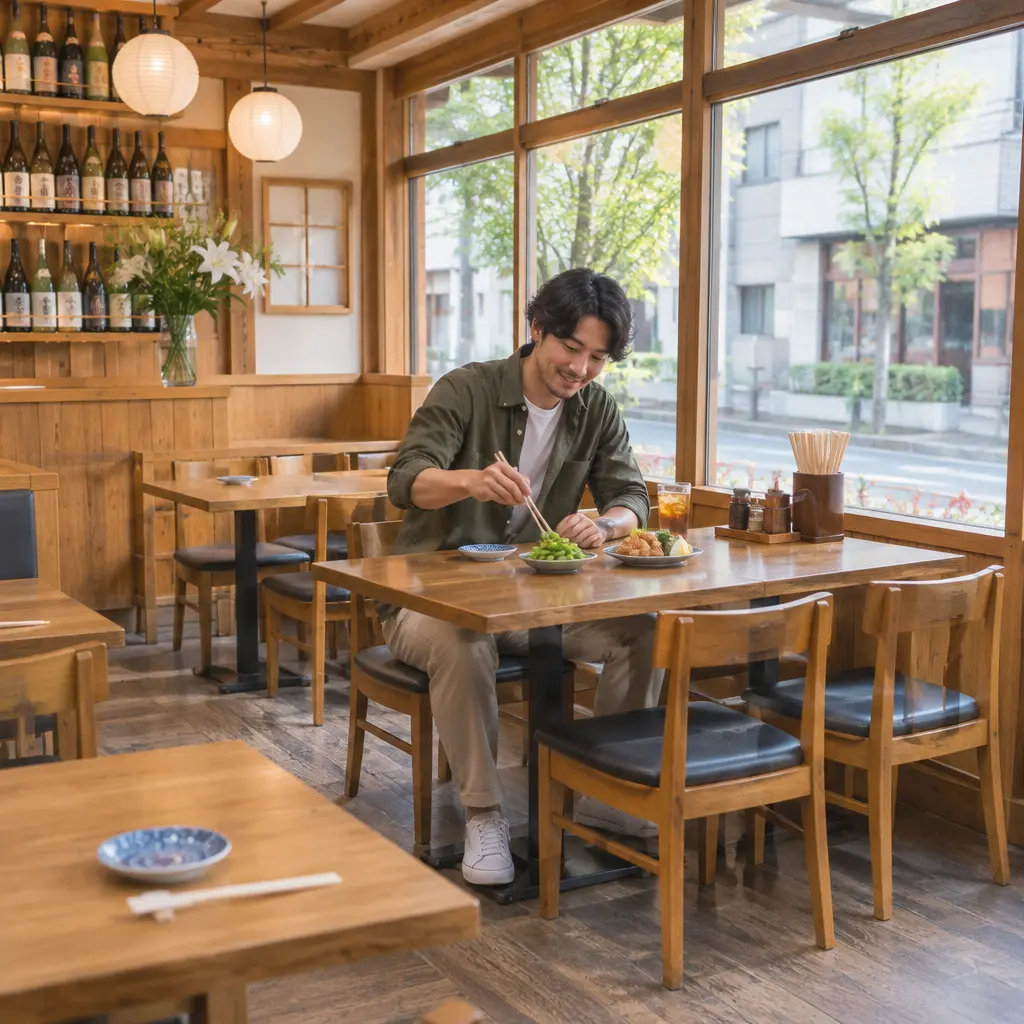
Japanese small plates—often served as izakaya snacks or otsumami—are dishes meant to be shared or enjoyed alongside a drink. For a balanced order, start with edamame or chilled tofu, add a crisp or savory plate such as karaage or gyoza, and finish with something richer, like grilled yakitori or agedashi tofu. The best choices depend on the drink: salty, umami-rich foods pair naturally with beer and sake, while lighter seafood and vegetable dishes suit delicate sake or a highball. Japan’s National Tax Agency reported that domestic alcoholic-beverage consumption was about 75.4 liters per person aged 20 or older in fiscal 2022, underscoring how deeply drinking occasions are woven into food culture—though consumption varies widely by person and region.
What makes Japanese small plates good drink pairings?
An otsumami is a small food served to accompany alcoholic drinks; the Japan Sake and Shochu Makers Association describes sake-compatible foods broadly as dishes whose flavors complement or balance sake. In an izakaya, the menu commonly mixes quick snacks, grilled items, fried foods, and shared plates rather than following a single fixed sequence. This variety lets diners alternate textures and intensities instead of committing to one large dish.
A practical pairing works through contrast and reinforcement: salt can make a drink seem more refreshing, fat can soften alcohol’s sharpness, and savory ingredients such as miso, soy, or dashi can echo umami in sake. These are useful dining principles, not universal rules; the seasoning, preparation, and individual drink all matter. Order a few small plates first, then add more once you know whether the table wants crisp, rich, spicy, or delicate flavors.
Edamame and other light starters
Edamame are immature soybeans, typically boiled or steamed in their pods and finished with salt. Their clean, gently vegetal flavor and easy-to-share format make them a reliable first order with lager, a highball, or chilled sake. Eat the beans, not the pod; a light sprinkle of salt is usually enough, so this starter does not overwhelm more delicately seasoned dishes.
For another light opening, try hiyayakko, chilled tofu served with toppings such as grated ginger, scallion, and soy sauce. Its cool, soft texture contrasts with a fizzy highball and gives a table a gentler option before fried or grilled plates arrive.
Pickles, salads, and crisp contrasts
Japanese pickles, or tsukemono, are vegetables preserved through methods that can include salting, brining, or fermentation. Their acidity and crunch refresh the palate between richer bites, especially fried chicken, grilled pork, or oily fish. Cucumber salad and seaweed salad can serve a similar balancing role, though recipes and sweetness vary from restaurant to restaurant.
These crisp sides are particularly useful when a group orders several savory plates. Rather than adding another heavy dish, choose one bright or crunchy item to reset the palate and keep the meal varied.
Which savory small plates pair best with beer, sake, and highballs?
Once the table has a light starter, move to dishes with more pronounced salt, char, fat, or umami. The Japan Sake and Shochu Makers Association’s pairing guidance emphasizes matching a drink’s character with a dish’s intensity: delicate sake can be lost beside heavily seasoned food, while fuller-bodied styles can stand up to richer flavors. Use that idea as a starting point, then choose according to the drink list and your own preferences.
Karaage: crisp, juicy fried chicken
Karaage is a Japanese frying technique commonly associated with bite-size chicken seasoned or marinated before it is coated and fried. The contrast between a crisp exterior and juicy meat makes it a natural partner for lager and sparkling highballs. A lemon wedge can add brightness, while mayonnaise or a sweet sauce makes the pairing richer.
Because karaage is filling, it is often best balanced with pickles, cabbage, or a lighter tofu dish. If ordering for a group, treat it as a substantial shared plate rather than assuming every small dish will be snack-sized.
Gyoza: browned dumplings with savory filling
Gyoza are dumplings commonly filled with meat and vegetables; pan-fried versions have a browned base and tender upper wrapper. Their savory filling and crisp underside work well with beer, while a vinegar-based dipping sauce cuts through the richness. Restaurant versions may be pork-heavy, vegetable-forward, or served with different sauces, so check the menu if you have dietary needs.
Gyoza bridge the gap between a snack and a more substantial plate. Pair them with a fresh salad or chilled tofu if the table also wants contrast rather than ordering several fried or meaty dishes in a row.
Yakitori: grilled skewers with char and umami
Yakitori refers to grilled chicken skewers, often seasoned with salt (shio) or a savory-sweet tare glaze. Salted skewers keep the chicken’s flavor clear and pair readily with crisp beer or a clean highball; tare brings caramelized sweetness that can complement richer sake. Common menus offer different cuts, so one order may include contrasting textures rather than identical pieces.
Charcoal grilling adds smoky notes, making yakitori a satisfying middle course after lighter starters. Ask whether a skewer is seasoned with salt or tare when pairing matters, since the difference can noticeably change the plate’s sweetness and intensity.
Agedashi tofu: crisp outside, soft inside
Agedashi tofu is lightly coated tofu that is fried and served in a savory dashi-based broth, often with toppings such as scallion or grated radish. It combines a delicate center with a crisp surface and a warming, umami-rich sauce. This makes it a good companion for sake, particularly when the broth is not overly sweet or salty.
Because the dish is served hot and can soften as it sits in broth, order it when it is likely to be eaten promptly. It also gives a table a meat-free option, although diners avoiding fish should ask whether the dashi contains bonito or other seafood.
How should you choose small plates for a balanced order?
A good izakaya order balances temperature, texture, richness, and flavor rather than selecting only the most familiar dishes. Japan’s Ministry of Agriculture, Forestry and Fisheries describes Japanese food culture as varied and closely connected to seasonality and regional traditions; restaurant menus reflect that diversity, so a small-plate list may include local seafood, seasonal vegetables, and regional specialties alongside classics.
Build contrast into the table
For a simple order, combine one light starter, one crisp or acidic side, one fried or grilled plate, and one softer or broth-based dish. For example, edamame, pickles, karaage, and agedashi tofu provide a range of textures and temperatures. A smaller group can choose fewer dishes; the aim is variety, not a prescribed number.
Match seasoning to the drink
Beer and highballs generally handle salty, fried, and grilled snacks well, while sake offers a wider range of possible matches depending on its aroma, sweetness, acidity, and serving temperature. A lightly flavored sake may be easier to appreciate with tofu, sashimi, or delicately seasoned vegetables; a more robust style can work with grilled meat or miso-rich dishes. Ask the server for a pairing suggestion, since the house pour and the kitchen’s seasoning are more specific than broad category labels.
Account for dietary needs and portion size
Small plates are not necessarily small in calories, sodium, or alcohol-related risk. Fried items, salty pickles, and dipping sauces can add up, and shared dishes make portion sizes hard to estimate. Check for allergens and ingredients such as soy, wheat, sesame, egg, fish, or shellfish; broths and sauces may contain ingredients that are not obvious from a dish’s name. Drink responsibly, and choose nonalcoholic options if you do not drink or need to travel safely.
Conclusion: choose contrast, then follow your taste
The best Japanese small plates to order with a drink combine dependable starters like edamame and chilled tofu with crisp pickles, savory gyoza, juicy karaage, grilled yakitori, or broth-served agedashi tofu. Pairing works best when the food’s salt, fat, char, and umami complement the drink without making the whole order feel heavy. Start with a few contrasting dishes, ask about seasonings and ingredients, and let the restaurant’s regional or seasonal specialties guide what comes next.
Sources: Japan National Tax Agency, “66” (Sake Guide, June 2024), https://www.nta.go.jp/taxes/sake/shiori-gaikyo/shiori/2024/index.htm; Japan Sake and Shochu Makers Association, “Sake and Food Pairing,” https://japansake.or.jp/sake/en/basic/food-pairing/; Ministry of Agriculture, Forestry and Fisheries of Japan, “Washoku, Traditional Dietary Cultures of the Japanese,” https://www.maff.go.jp/e/policies/market/washoku/index.html
Related Post

Balancing Dim Lighting Noise And Comfort For Every Kind Of Guest
Guest comfort is the ability of a hospitality space to support physical ease, clear communication, [...]

The Growing Appeal Of Izakaya Style Bars In Western Cities
Izakaya style bars are informal Japanese dining venues that combine drinks, small plates, counter seating, [...]

Why These Menus Encourage Grazing Instead Of A Traditional Meal
Menus with grazing-oriented design present food as a sequence of small, shareable, flexible choices rather [...]