
The Rise of the American Izakaya: Japanese Bar Food Across the U.S.
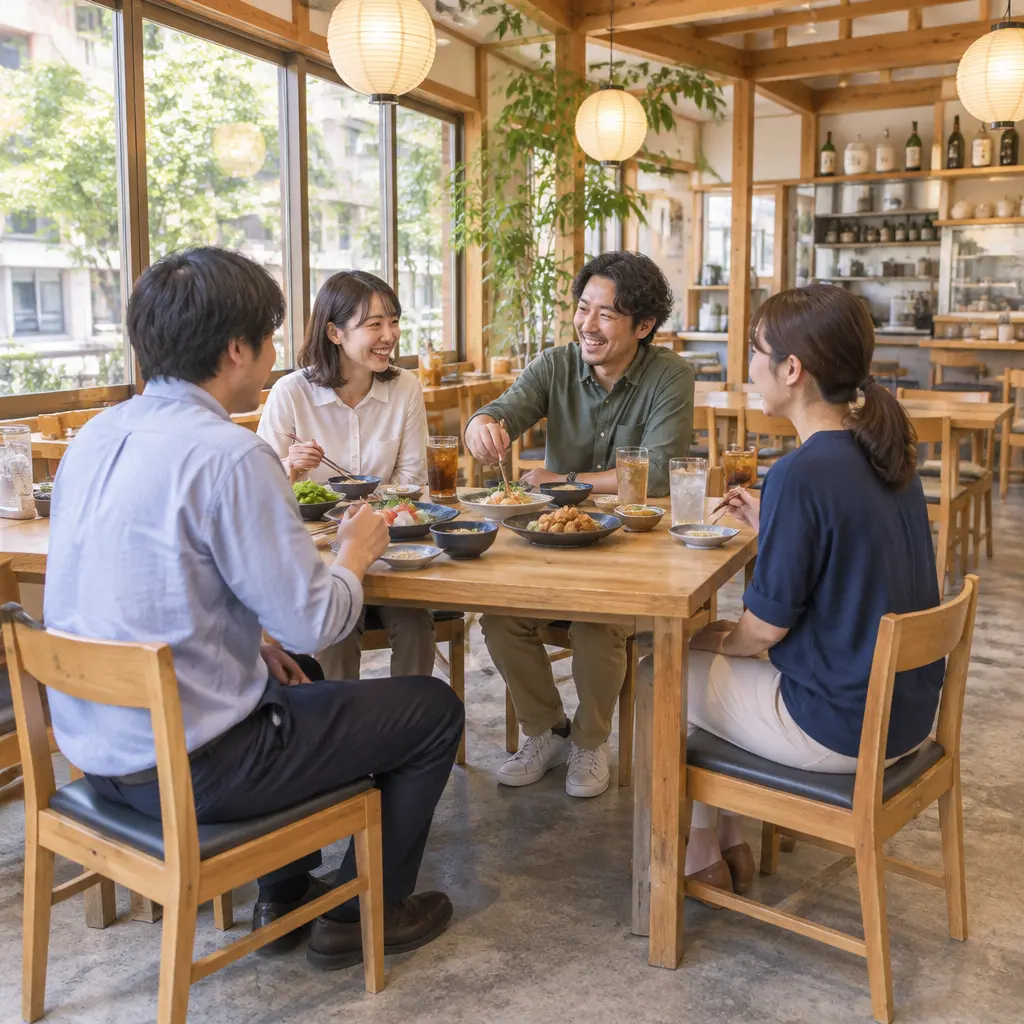
An American izakaya is a restaurant or bar inspired by Japan’s informal neighborhood drinking establishments, where drinks are paired with small, shareable dishes. Across the United States, izakaya-style dining has grown from a specialist interest into a recognizable part of Japanese-American restaurant culture, blending Japanese bar-food traditions with local ingredients, regional tastes, and changing dining habits. Its rise reflects the broader reach of Japanese cuisine: the National Restaurant Association reported that sushi and ramen were among the international flavors attracting American diners, while the Japan External Trade Organization has documented the continued expansion of Japanese restaurants overseas. This article explains what defines an izakaya, how its food and social rituals translate in the U.S., and what restaurant examples and industry trends reveal about its future.
Izakaya Dining: The Meaning and Defining Attributes
Izakaya are informal Japanese establishments where customers drink and eat a succession of small dishes. The Japan National Tourism Organization describes them as casual places for drinks and food, often featuring shared plates. The term is commonly explained through the Japanese words i (to stay) and sakaya (sake shop), reflecting the historical development of liquor retailers that allowed customers to drink on site. Unlike a formal kaiseki meal, an izakaya visit is typically flexible: diners order over time, choose dishes to accompany drinks, and share the table.
The category includes several related formats rather than a single fixed menu. Traditional neighborhood izakaya, yakitori bars, sake-focused dining rooms, robatayaki restaurants, and contemporary izakaya-inspired restaurants all draw on the same broad idea of informal food and drink. In the United States, the label may describe anything from a close interpretation of a Japanese pub to a chef-driven restaurant using izakaya-style small plates. That range makes the term useful but also means menus and levels of cultural fidelity vary considerably.
Small Plates, Flexible Ordering, and Shared Eating
Small plates are a defining feature of izakaya dining: dishes are ordered in rounds, allowing a table to build a meal gradually rather than follow a fixed course sequence. Common choices include edamame, sashimi, grilled fish, karaage (Japanese fried chicken), agedashi tofu, and skewered meats. In American restaurants, these may sit alongside locally adapted items such as Brussels sprouts, regional seafood, or inventive vegetable dishes. Sharing encourages variety, but portion sizes and prices differ by restaurant, so “small plate” does not necessarily mean inexpensive.
Drinks, Seasoning, and the Japanese Pub Atmosphere
Drinks help organize the meal. Japanese beer, sake, shochu, and highballs—often whisky mixed with soda—are familiar choices, while American izakaya may also offer cocktails, wine, and nonalcoholic drinks. Food commonly balances salty, savory, fried, grilled, and fresh flavors that pair well with beverages. The atmosphere can be energetic and informal, with close seating, visible grilling, and a menu designed for conversation. These traits distinguish the izakaya model from restaurants where dining is organized primarily around individual entrées.
American Izakaya Growth: Adaptation and Market Context
The American izakaya is an adaptation, not simply a Japanese restaurant transplanted unchanged. Restaurants translate the format for local customers by adjusting ingredients, spice levels, portion sizes, beverage programs, and price points, while retaining the central combination of casual drinking and shareable food. JETRO’s research on Japanese food businesses overseas tracks the international spread of Japanese restaurants, although its figures cover Japanese restaurants broadly—not izakaya alone. That distinction matters: there is no widely accepted national count of U.S. izakaya, and restaurant directories often classify them under broader categories such as Japanese, sushi, or Asian dining.
Several forces have helped the format find an audience: greater familiarity with Japanese dishes, interest in social dining, and the appeal of menus that let groups sample many flavors. The National Restaurant Association’s annual trend research has repeatedly identified global flavors and culinary exploration as important influences on U.S. menus. At the same time, the izakaya’s future depends on practical concerns shared across restaurants, including labor, rent, ingredient costs, and alcohol-service rules. The format is therefore best understood as both a cultural translation and a business model responding to local dining conditions.
From Japanese Neighborhood Pub to U.S. Restaurant Format
In Japan, izakaya are everyday social venues, ranging from independent neighborhood bars to national chains. In the U.S., the format has developed through Japanese immigrant entrepreneurship, the growth of Japanese food culture, and the influence of chefs who have introduced izakaya-style menus in major restaurant cities. American versions may emphasize a polished cocktail program or an extensive menu, whereas a smaller neighborhood-style operation may focus on grilled skewers, beer, and a concise selection of snacks. Both can use the izakaya idea, even though they offer different experiences.
Regional Adaptation and Menu Hyponyms
Izakaya-inspired menus often cluster around recognizable subtypes. Yakitori focuses on charcoal- or grill-cooked chicken skewers; robatayaki emphasizes ingredients cooked over an open hearth; and sake bars build food selections around sake service. Other restaurants combine these traditions with sushi, ramen, or contemporary small plates. Regional sourcing can shape the details: coastal restaurants may highlight local fish, while menus elsewhere may feature seasonal produce or locally raised meat. These are related expressions of the izakaya format, not interchangeable labels for identical cooking methods.
The adaptation works best when restaurants explain dishes and traditions rather than treating “Japanese” as a single flavor profile. Menus that identify ingredients, cooking techniques, and beverage pairings can help first-time diners explore unfamiliar foods while giving regular customers a clearer sense of what distinguishes the restaurant. This balance between accessibility and specificity is central to the American izakaya’s identity.
Izakaya Food: Signature Dishes and the Logic of Pairing
Izakaya food is less a fixed list of recipes than a way of structuring a meal: dishes are varied, relatively easy to share, and suited to a relaxed sequence of drinks and bites. The culinary range extends from simple snacks to carefully prepared seafood and grilled specialties. This flexibility gives restaurants room to preserve classic dishes while incorporating seasonal ingredients and local preferences.
Grilled Skewers, Fried Foods, and Classic Snacks
Yakitori is among the most recognizable izakaya foods. Chicken is cut into portions, skewered, and grilled, then seasoned with salt or brushed with a sweet-savory tare sauce; some specialist shops use a range of chicken cuts rather than breast meat alone. Karaage, Japanese-style marinated fried chicken, offers a crisp and savory contrast, while edamame and pickles provide lighter options. Together, these dishes show how texture and flavor variety can make a sequence of small orders feel like a complete meal.
Seafood, Tofu, and Seasonal Menu Choices
Sashimi, grilled fish, fried oysters, and seafood salads are common choices where supply and local demand support them. Tofu dishes, including chilled tofu and agedashi tofu, add softer textures and can accommodate diners seeking meat-free options, though broths and sauces should be checked for fish-based ingredients. Seasonal menus allow chefs to change offerings as produce and seafood availability shift. The U.S. Food and Drug Administration’s seafood guidance emphasizes safe sourcing and handling; for restaurants, supply-chain controls are as important as culinary creativity, particularly for raw or lightly cooked seafood.
Beverage Pairings and the Shared Table
Pairing is practical as well as cultural: beer and highballs can complement fried or salty foods, while sake offers varied styles that work with seafood, grilled dishes, and richer flavors. Shochu, a distilled spirit commonly made from ingredients such as barley, sweet potato, or rice, can be served in several ways depending on the house style. American restaurants frequently broaden the list with craft beer, cocktails, and alcohol-free options. A well-designed beverage menu gives guests multiple ways to participate in the social format, including those who do not drink alcohol.
American Izakaya Examples: Restaurant Models in Practice
U.S. restaurants demonstrate how broadly the format can be interpreted. A useful comparison is not simply whether a restaurant uses the word “izakaya,” but how its food, ordering pattern, beverage list, and atmosphere work together. Restaurant menus and descriptions change over time, so examples should be treated as illustrations of different approaches rather than a definitive ranking or a census of the category.
Izakaya Rintaro in San Francisco
Izakaya Rintaro presents a Japanese izakaya approach through grilled dishes, seasonal ingredients, and a carefully composed menu in San Francisco. Its example illustrates how the format can be shaped by a chef’s attention to sourcing and technique while remaining rooted in informal, shareable dining. The restaurant’s public menu and descriptions provide a concrete reference for diners interested in the relationship between Japanese cooking and California produce.
Tori Shin in New York City
Tori Shin is known for yakitori, showing how a specialized skewers-and-grill focus can sit within the broader izakaya family. Its model places the cooking method at the center of the experience: guests can explore different cuts and seasonings while ordering drinks and additional dishes. This specialization contrasts with larger menus that combine grilled items, seafood, and a wide range of small plates.
Izakaya Mita in Los Angeles
Izakaya Mita illustrates the neighborhood-oriented side of the U.S. izakaya, with a menu and setting designed around casual Japanese food and drink. Alongside more elaborate, chef-led restaurants, places of this kind help make the format part of everyday dining rather than a special-occasion novelty. Together, these examples show that American izakaya can range from focused yakitori counters to broader neighborhood restaurants.
Izakaya’s Future: Cultural Exchange and Restaurant Challenges
The growth of izakaya-style dining contributes to a wider exchange of food practices between Japan and the United States. It introduces diners to dishes beyond sushi and ramen, encourages shared ordering, and gives chefs a framework for connecting technique with local ingredients. At the same time, responsible adaptation requires attention to the history and specificity of Japanese food traditions. Restaurants can support that understanding through accurate menu descriptions, thoughtful sourcing, and staff who can explain dishes without reducing them to stereotypes.
Business conditions will shape which models endure. The U.S. Bureau of Labor Statistics tracks employment and price trends across the restaurant sector, while industry reports from the National Restaurant Association describe persistent operator concerns such as labor availability and operating costs. These pressures can be especially significant for restaurants that rely on skilled grilling, specialized ingredients, or a beverage program requiring trained staff. Clear concepts, efficient menus, and strong repeat business may help operators balance authenticity, accessibility, and financial sustainability.
A useful visual for further reporting would be a chart comparing U.S. Japanese-restaurant counts over time with the caveat that available datasets generally do not separate izakaya from other Japanese restaurant types. A second chart could compare menu categories—such as yakitori, fried foods, seafood, and vegetarian dishes—across a sample of restaurant menus. Such visuals would clarify both the format’s variety and the limits of current national data.
Conclusion: The American Izakaya as a Social Dining Tradition
The American izakaya brings together casual drinking, small shared plates, and a flexible meal structure rooted in Japanese pub culture. Its subtypes—from yakitori specialists to sake-led restaurants—show how the format can adapt to local ingredients and audiences without losing its defining social character. U.S. examples demonstrate a spectrum of approaches, while industry research points to broader interest in global flavors alongside real operational challenges. For diners, exploring an izakaya is an opportunity to try dishes in rounds and learn how food and drink work together; for restaurant operators, the format offers a distinctive model grounded in hospitality and variety. Readers can learn more by consulting Japanese tourism and food-business research, exploring restaurant menus, and asking how individual dishes are prepared and sourced.
Sources: Japan National Tourism Organization, “Izakaya,” https://www.japan.travel/en/guide/izakaya/; Japan External Trade Organization, “Japanese Restaurants Overseas,” https://www.jetro.go.jp/en/reports/market/; National Restaurant Association, “What’s Hot Culinary Forecast,” https://restaurant.org/research-and-media/research/research-reports/; U.S. Food and Drug Administration, “Selecting and Serving Fresh and Frozen Seafood Safely,” https://www.fda.gov/consumers/consumer-updates/selecting-and-serving-fresh-and-frozen-seafood-safely; U.S. Bureau of Labor Statistics, “Food Services and Drinking Places,” https://www.bls.gov/iag/tgs/iag722.htm; Izakaya Rintaro, official website and menu, https://izakayarintaro.com/; Tori Shin, official website, https://torishinny.com/; Izakaya Mita, official website, https://izakayamita.com/.
Related Post

Balancing Dim Lighting Noise And Comfort For Every Kind Of Guest
Guest comfort is the ability of a hospitality space to support physical ease, clear communication, [...]
What to Expect on Your First Visit to an Izakaya Inspired Bar
An izakaya-inspired bar is a casual, Japanese-influenced place for drinks and small plates shared over [...]

The Secret To A Noodle Bowl That Feels Complete In One Bowl
A noodle bowl is a one-dish meal built around noodles, a flavorful liquid or sauce, [...]