
Why Japanese Bar Food Is Built for Sharing
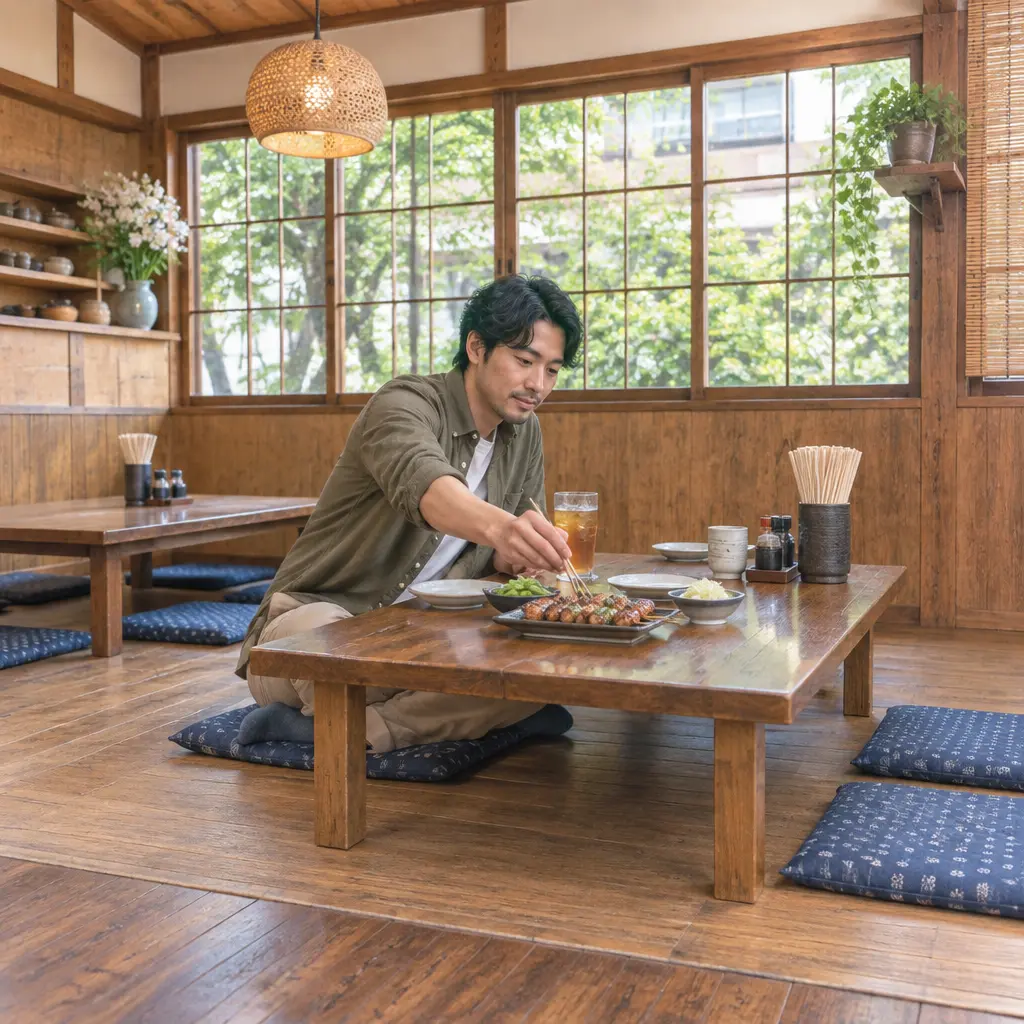
Japanese bar food is shaped by the social rhythms of drinking: small, varied dishes arrive alongside drinks, giving people reasons to taste, talk, and order another round together. In izakaya—Japanese drinking establishments that serve food as well as alcohol—sharing is common, though not compulsory; diners may also order individual portions. This format reflects a broader hospitality tradition, the practical design of menus for drinking, and the pleasure of sampling contrasting flavors. Japan’s National Tax Agency reported that domestic alcoholic-beverage shipments totaled about 7.3 million kiloliters in fiscal 2022, a reminder of alcohol’s significant place in the country’s food-and-drink landscape, even as drinking habits have changed. To understand why bar food is built for sharing, it helps to look at the izakaya itself, the dishes and serving styles it encourages, and the social customs that make a shared table work.
Izakaya dining makes shared Japanese bar food practical
An izakaya is a Japanese establishment where guests drink and eat an assortment of dishes, often ordering in stages rather than sitting down to a fixed, multi-course meal. Japan’s Ministry of Agriculture, Forestry and Fisheries describes izakaya as places that serve alcohol with a range of food, including dishes meant to accompany drinks. That pairing is central: a table might begin with a small appetizer, add grilled skewers or sashimi, and finish with rice or noodles.
Sharing is a characteristic format, not a rule that every guest must follow. Many izakaya menus include both plates designed for the middle of the table and single-serving bowls or set meals. The flexible format lets a group sample several tastes without committing to one large entrée each. It also supports conversation: dishes can arrive as the group decides what to order next.
Small plates turn a meal into a sequence
Small plates are modest portions intended to be ordered in combination. Common examples include edamame, chilled tofu, pickles, grilled fish, fried chicken, and yakitori. Rather than functioning as a single appetizer course, they can form the meal itself, arriving gradually and allowing diners to adjust their choices as they eat and drink.
This staged style is useful for groups with different appetites and preferences. One dish can be shared while the table considers another; a vegetarian diner can choose vegetables or tofu while others order meat or seafood. Portions and serving styles vary by restaurant, so “small plate” should not be taken to mean that every dish is meant to be split.
The menu links food to drinks
Izakaya menus are organized around dishes that complement beer, sake, shochu, or other drinks. Salty, savory, crisp, and umami-rich foods can make a drink feel more satisfying, while pickles, grilled items, and fresh seafood offer contrasting textures and flavors. The Japanese term sakana can refer to food eaten with alcohol, illustrating how closely the idea of a drinking snack is tied to the meal.
Japan’s National Tax Agency has documented a long-term decline in per-capita alcohol consumption from its peak in the mid-1990s. That trend helps put modern izakaya dining in context: the establishments remain a recognizable part of Japanese food culture, but operators and customers increasingly navigate changing drinking habits, including occasions when food is as important as alcohol.
Japanese bar-food attributes encourage variety at the table
The defining attributes of shared Japanese bar food are variety, manageable portions, and compatibility with drinks. Food historian and writer Eric C. Rath, in his work on Japanese food culture, explains how Japanese dining traditions have long valued seasonal ingredients and a range of preparations rather than treating a meal as one uniform dish. Izakaya menus adapt that variety to a casual setting, where several items can be ordered and enjoyed together.
The dishes themselves include several related categories, or hyponyms of Japanese bar food: grilled foods such as yakitori; fried foods such as karaage and tempura; raw or lightly prepared seafood; pickles and vegetables; and rice or noodle dishes that can round out a meal. Grouping these categories on one table creates contrast—hot and cold, crisp and tender, light and rich—without requiring each diner to order the same thing.
Yakitori offers a shareable grilled-food example
Yakitori consists of bite-size pieces of chicken, and sometimes other ingredients, grilled on skewers. Skewers are easy to order by the piece, making it simple for diners to try different cuts and seasonings. The Japan National Tourism Organization highlights yakitori as a familiar Japanese food commonly found at izakaya and specialist restaurants.
Its format also shows that sharing does not always mean passing one communal platter. Guests can select individual skewers, compare flavors, or order extra for the table. The practical point is choice: small units make variety easy.
Karaage and other fried dishes bring contrast
Karaage is a Japanese method of frying bite-size ingredients, especially chicken, after seasoning and coating them. A plate of karaage is often large enough for a group to sample, and its crunchy exterior contrasts with softer dishes such as tofu or sashimi. Other fried items, including tempura, add another texture and can be ordered alongside grilled or pickled foods.
These dishes illustrate why a shared menu benefits from diversity. Rather than ordering several similar fried foods, a group can balance richness with vegetables, seafood, or a lighter starter. What works best depends on the restaurant’s menu and the group’s tastes.
Rice, noodles, and hot pots can complete the meal
Rice and noodle dishes provide a more substantial finish after rounds of smaller plates. Some izakaya also serve hot pots or larger cooked dishes intended for several diners. These options show that Japanese bar food is not limited to snacks: the meal can move from light, drink-friendly bites to a filling shared dish.
For visitors, checking whether a menu lists a dish as one portion or a group serving is useful. Restaurant customs differ, and some items—such as a bowl of noodles—are usually ordered individually even when the rest of the meal is shared.
Japanese bar-food customs make sharing sociable and flexible
The social dimension of izakaya dining is not simply that food is placed in the middle. The format encourages a group to discuss what to order, try one another’s selections, and extend the meal in response to the evening. It suits after-work gatherings, celebrations, and informal meals, while remaining adaptable to solo diners and smaller groups.
Japanese dining etiquette offers practical ways to share respectfully. Guests commonly use serving utensils when provided, avoid reaching across the table, and check whether a dish is meant to be communal. Customs are not identical everywhere, and local practice or the restaurant’s setup should guide diners.
Ordering in rounds supports conversation
Many groups begin with drinks and a few quick dishes, then order more as the table settles in. This approach keeps the meal responsive: guests can add a grilled dish, another round of vegetables, or a filling staple when they know what the group wants. It also makes the food part of the social exchange rather than a fixed sequence delivered all at once.
A practical example is a table that starts with edamame and pickles, adds yakitori and karaage, then orders rice or noodles if people are still hungry. The sequence is illustrative rather than prescriptive; an izakaya may serve dishes together, and diners can order however they prefer.
Otoshi sets the tone, but practices vary
Otoshi, also called tsukidashi in some regions, is a small dish commonly served soon after guests sit down. It functions as an opening bite while the first drinks or orders arrive and may be included as a cover charge. The Japan National Tourism Organization’s guidance for visitors notes that this custom is common in many izakaya, though details and charges vary by establishment.
Otoshi demonstrates the link between hospitality and the shared-table format, but it is not necessarily a dish chosen by the customer or intended to be divided evenly. Visitors can ask staff about the charge, ingredients, or whether alternatives are available, especially when dietary restrictions matter.
Sharing can be inclusive without being mandatory
A shared menu gives a group more options, but it should accommodate individual needs. Allergies, religious restrictions, vegetarian diets, and personal preferences can affect what belongs on the table. Many restaurants identify ingredients or can answer questions, but diners with serious allergies should communicate clearly and confirm that the kitchen can safely meet their needs.
For visitors, the simplest approach is to order a mix of communal plates and individual dishes, use serving utensils where available, and ask before assuming that a dish is shareable. That respects both the restaurant’s serving style and the group’s preferences.
Why sharing remains central to the izakaya experience
Japanese bar food is built for sharing because the izakaya combines drinking, eating, and conversation in a flexible format. Small plates allow a group to sample different flavors; dishes such as yakitori, karaage, pickles, and seafood create variety; and customs such as ordering in rounds and serving an opening otoshi help shape the meal. Sharing is a strong convention, not a requirement, and individual portions remain part of the experience.
The broader lesson is that food formats can express social habits as much as culinary technique. When visiting an izakaya, try a mix of dishes, ask how portions are served, and follow the lead of the people at your table. For further context, consult Japan’s National Tax Agency for alcohol-consumption data and the Japan National Tourism Organization for visitor guidance on izakaya customs.
Sources: Japan National Tax Agency, “” (Sake no Shiori), https://www.nta.go.jp/taxes/sake/shiori-gaikyo/shiori/; Japan National Tourism Organization, “Izakaya: Japanese Pubs,” https://www.japan.travel/en/guide/izakaya/; Japan Ministry of Agriculture, Forestry and Fisheries, “Washoku: Traditional Dietary Cultures of the Japanese,” https://www.maff.go.jp/e/policies/market/washoku/; Eric C. Rath, Japan’s Cuisines: Food, Place and Identity, Reaktion Books, 2016.
Related Post

Balancing Dim Lighting Noise And Comfort For Every Kind Of Guest
Guest comfort is the ability of a hospitality space to support physical ease, clear communication, [...]

Everyday Ingredients That Make These Small Plates Taste So Balanced
Small plates are compact servings designed to be shared or eaten as individual portions, while [...]
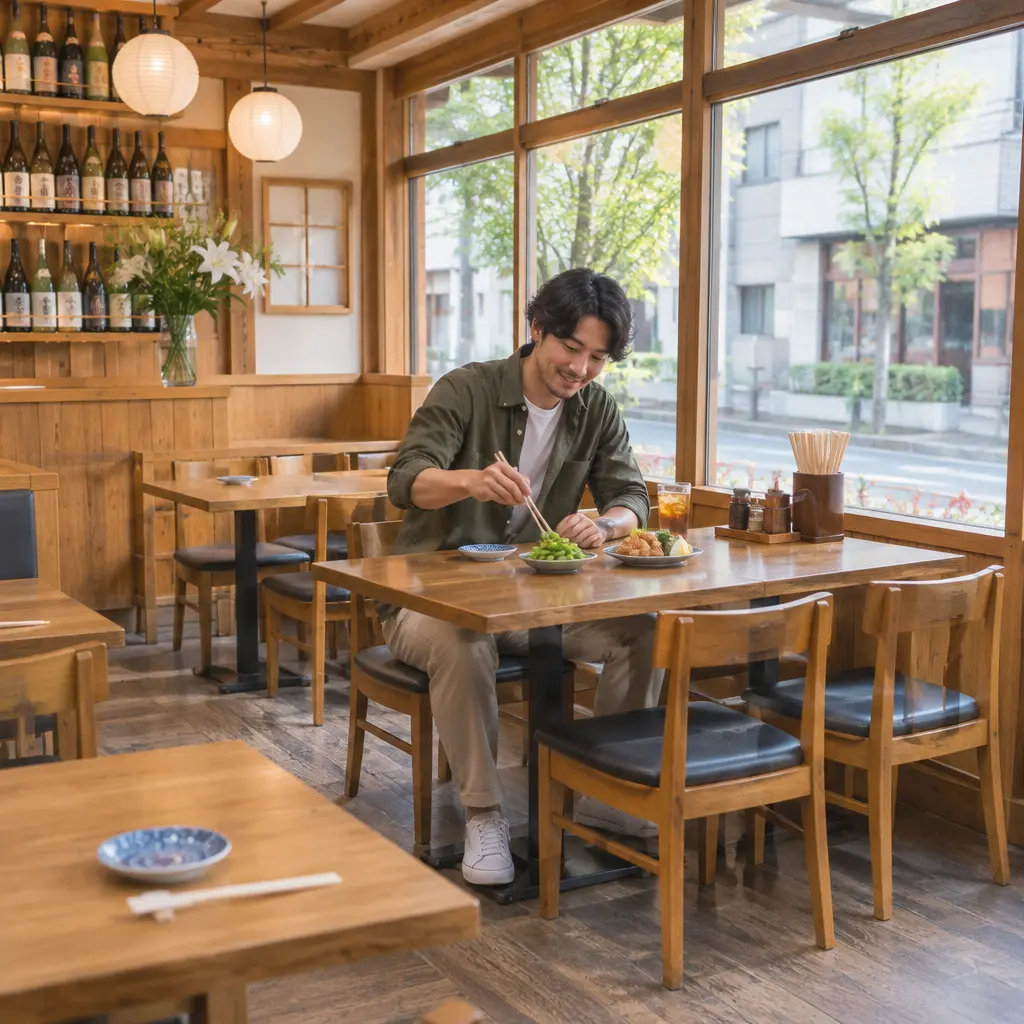
The Best Japanese Small Plates to Order with a Drink
Japanese small plates—often served as izakaya snacks or otsumami—are dishes meant to be shared or [...]